A 9-billion-year-old signal could help explain dark energy
CHIME can use this hydrogen signal to trace how matter is spread across space and measure how the universe has expanded over time, offering a powerful new…

ScienceDaily reports: CHIME can use this hydrogen signal to trace how matter is spread across space and measure how the universe has expanded over time, offering a powerful new way to investigate dark energy.
A Canadian radio telescope has detected the faint glow of hydrogen from billions of years ago using only its own observations, proving a long-awaited way to map the distant universe can actually work.
This science story centres on Canada. Names and organisations mentioned in the coverage include Canadian and CHIME.
Why it matters
Scientific work like this adds to what we know and can inform future research, policy and technology.
Key details
- Location
- Canada · Americas
- Reported by
- ScienceDaily
- First reported
- Key names
- Canadian, CHIME
- Section
- Science
Sources
This is an independent summary. Read the full, original reporting from the publisher:
Read the full story at ScienceDailySpotted an error? Request a correction · How this summary was produced
Related Stories
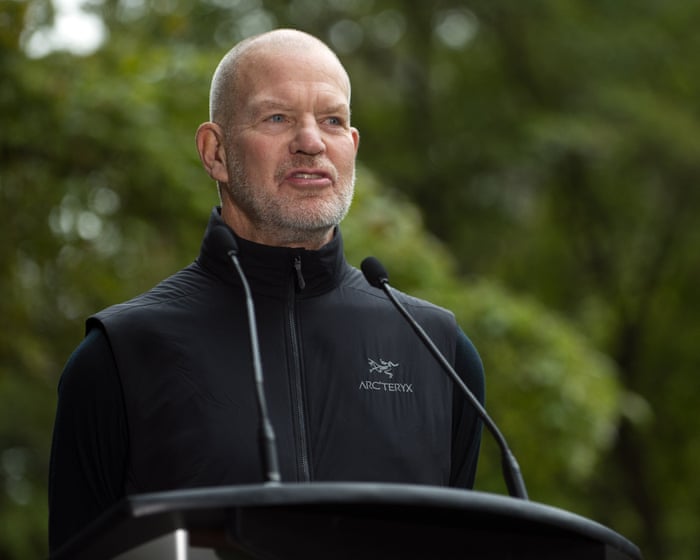
Lululemon founder’s remarks on Thai brides shock women’s leadership forum
Chip Wilson, the founder of Lululemon, caused a stir at a women’s leadership conference in Calgary when he suggested that men might import brides…

Canadian astronaut welcomes baby girl from space station
Joshua Kutryk, currently on his first space mission, is just the fourth astronaut in history to miss the birth of a child while aboard the…

Comedian impersonates Trump's dance moves, mocks trade talks at Canada press dinner
The impersonator, Canadian comedian Mark Critch, poked fun at the US president's search for a new press secretary and US-Canada trade talks.

Carney eyes 'other options' for embattled Canadian auto sector on China trip
The PM has suggested Chinese automakers could replace American ones in Canada - but some say that would not be easy.
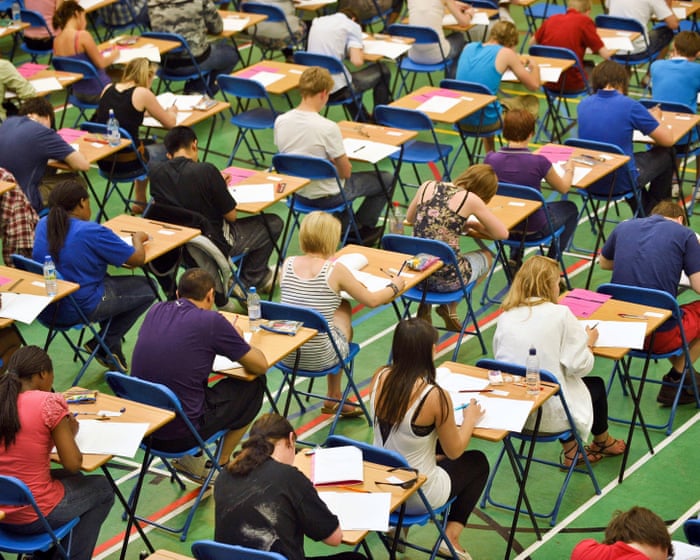
Study links crowded homes to lower GCSE scores
The Guardian reported that children who share a bedroom and do not have a quiet place to study at home achieve poorer GCSE results than peers with…

Moment Nasa spacecraft hit asteroid - and what happened next
The crash was 'like something out of a disaster movie,' the BBC's science editor Rebecca Morelle says.
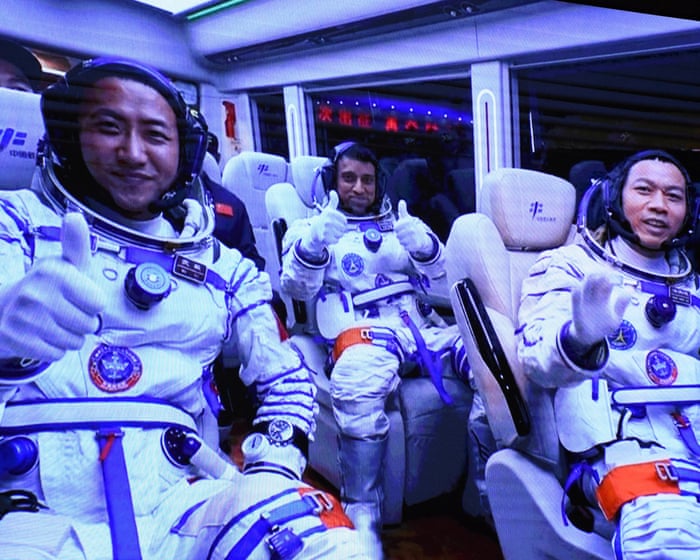
China sends first foreign astronaut to ISS rival as it globalises space operations
Muhammad Zeeshan Ali – the first Pakistani to reach orbit – greeted with Chinese ‘space handshake’ at Tiangong station China has flown the first…

Four years after huge asteroid crash, a spacecraft has now returned to assess the damage
The mission is studying an asteroid deliberately knocked off course by a colliding spacecraft.