NASA updates lander plans for Moon landings, finally solves long-festering Orion issue
During a lengthy news conference NASA on Friday provided a detailed overview of how it plans to return astronauts to the lunar surface, as soon as 2028, as…
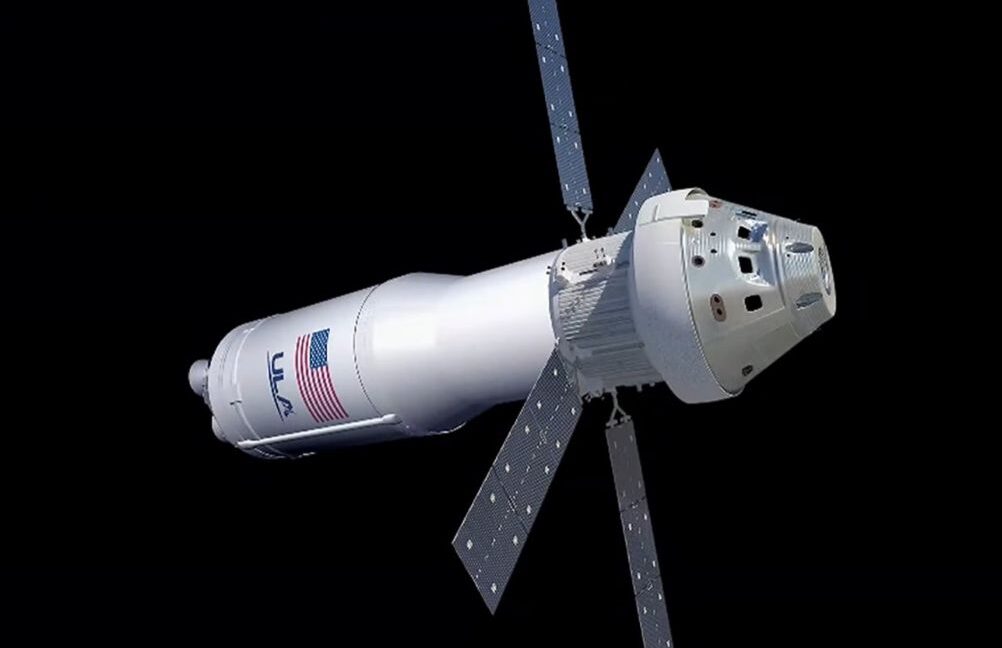
According to Ars Technica, during a lengthy news conference NASA on Friday provided a detailed overview of how it plans to return astronauts to the lunar surface, as soon as 2028, as part of its Artemis Program.
Although much of the information behind these plans has been previously reported in Ars Technica and elsewhere, this marked the first time NASA has laid them out in detail and acknowledged some substantial changes in the architecture.
This science story centres on the United States. Names and organisations mentioned in the coverage include NASA, Orion and Moon.
Why it matters
Scientific work like this adds to what we know and can inform future research, policy and technology.
Key details
- Location
- United States · Americas
- Reported by
- Ars Technica
- First reported
- Key names
- NASA, Orion, Moon, SpaceX's Starship
- Section
- Science
Sources
This is an independent summary. Read the full, original reporting from the publisher:
Read the full story at Ars TechnicaSpotted an error? Request a correction · How this summary was produced
Related Stories
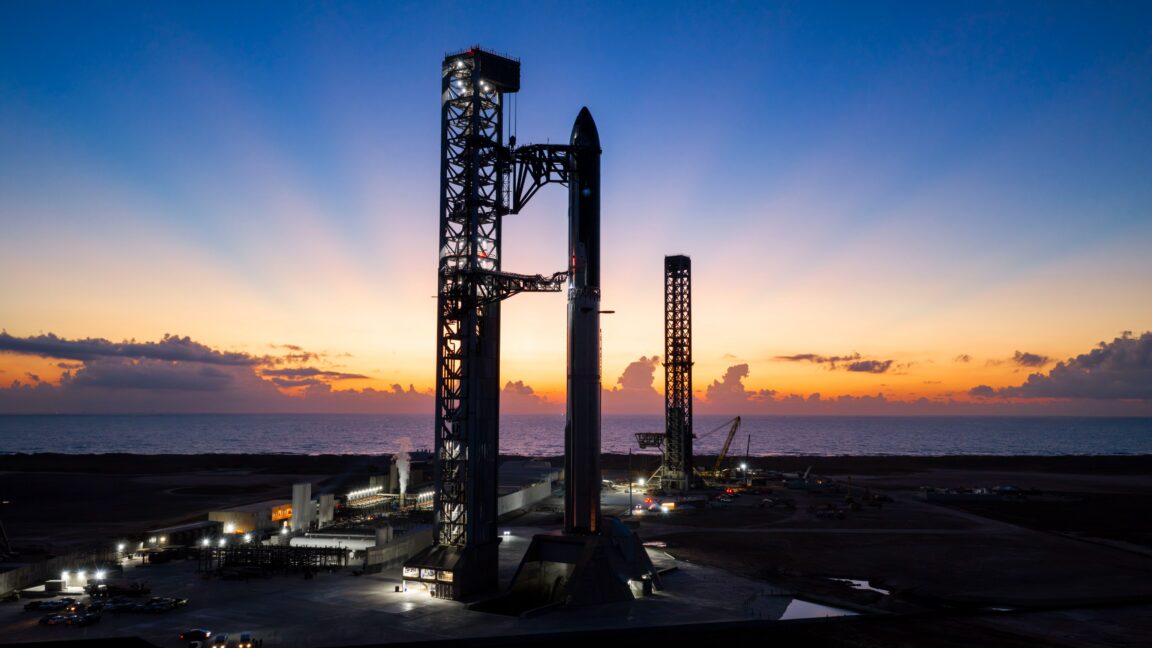
Latest estimate for Starship launches required to support a Moon landing? 22
I am speaking of the number of Starship launches required to fuel a Starship-based lunar lander in low-Earth orbit such that it can fly out to the…
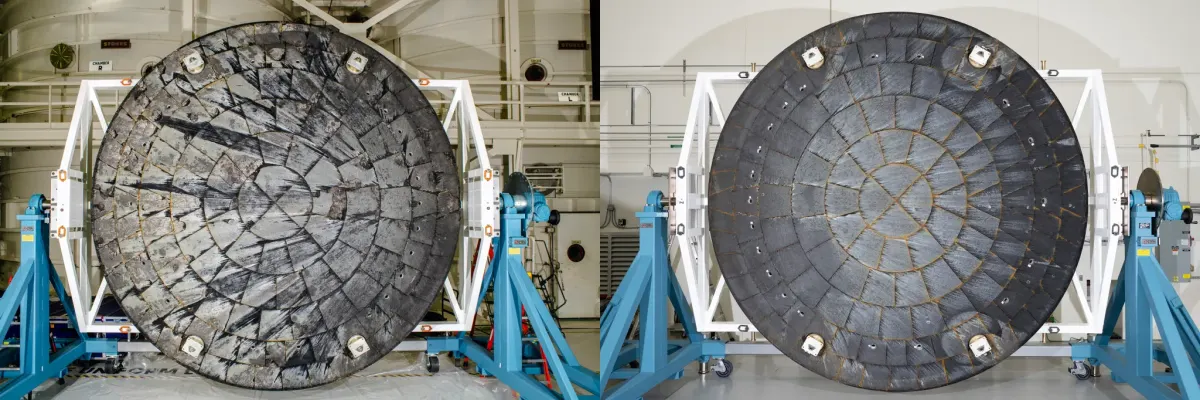
Rigorous Analysis Confirms NASA’s Artemis II Heat Shield Performance
NASA’s Artemis II mission sent four astronauts around the Moon and brought them safely back to Earth, laying a foundation for crewed flights to the…

NASA is searching for hidden caves to build its first Moon base
NASA is preparing for humanity’s first Moon base with three investigations that will hunt for underground shelters, uncover hidden ice, and track…
This mysterious hole on the Moon may open into a giant cave
NASA has selected the GIMLI project to investigate whether the Marius Hill Pit opens into a vast underground cave or lava tube.

NASA, Partners Accelerate Lander Development for 2028 Moon Missions
As NASA returns humans to the lunar surface and establishes a long-term presence on our closest celestial neighbor, the agency and commercial human…
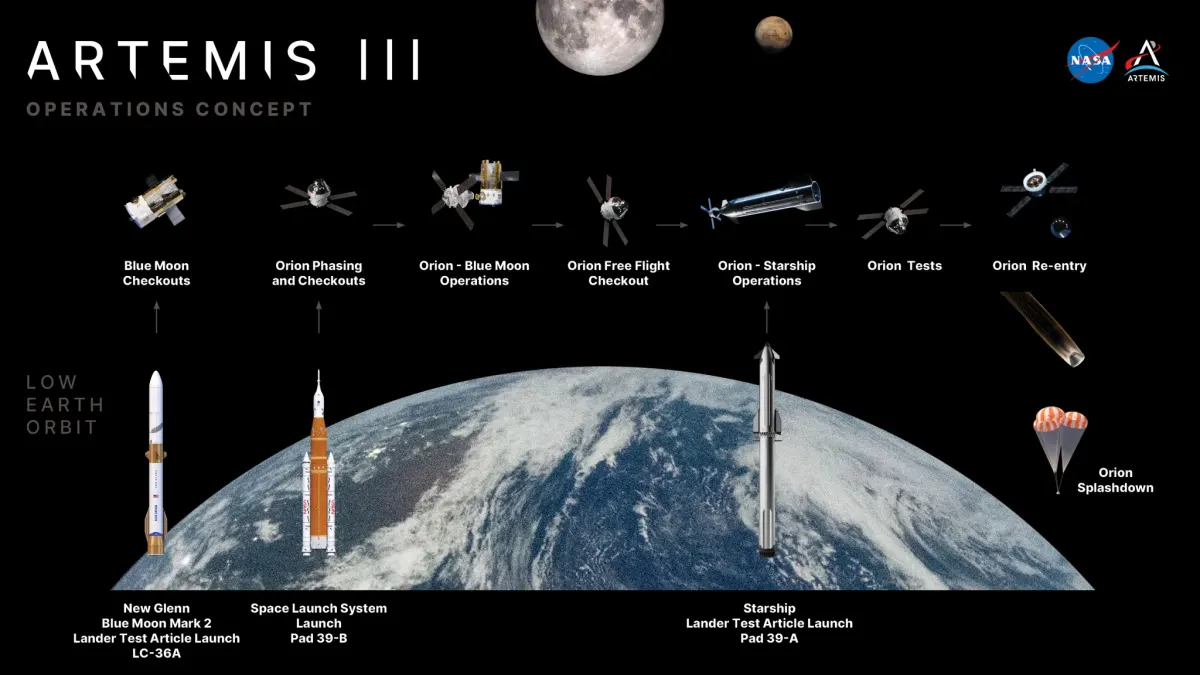
NASA’s Artemis III Mission to Test Future Moon Lander Operations
Launching in 2027, Artemis III will send NASA astronauts Randy Bresnik, Frank Rubio, Andre Douglas, and ESA (European Space Agency) astronaut Luca…
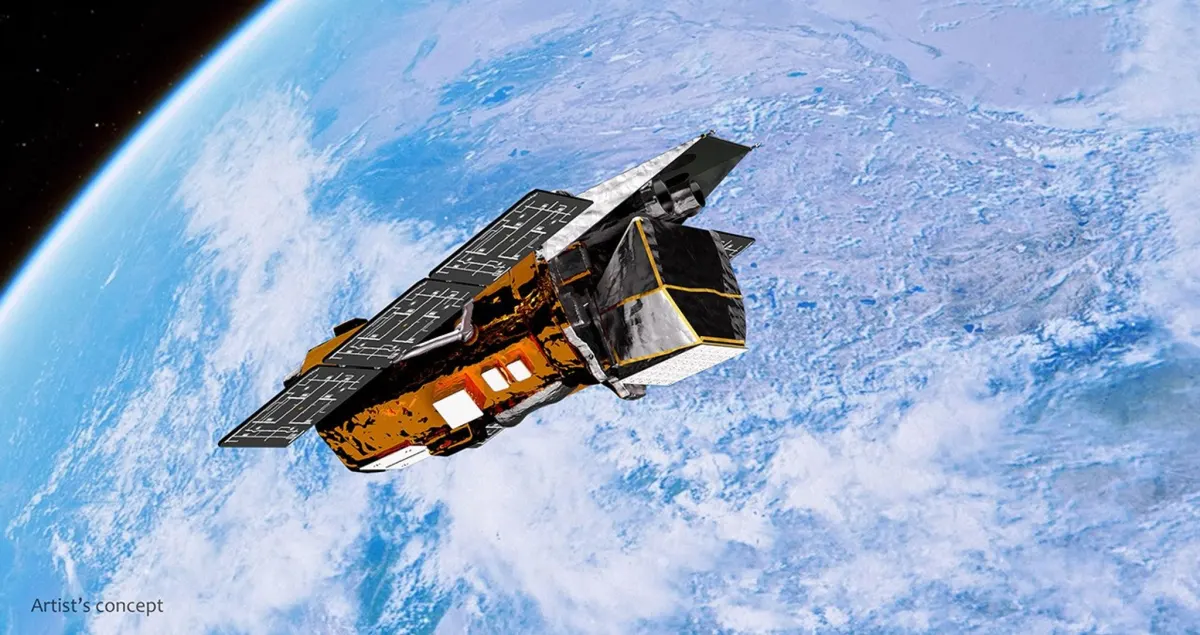
NASA’s Swift Mission Ends, Leaves Behind Scientific Bonanza
NASA’s Neil Gehrels Swift Observatory has ended its science mission now that the spacecraft is orbiting less than 171 miles (275 kilometers) above…
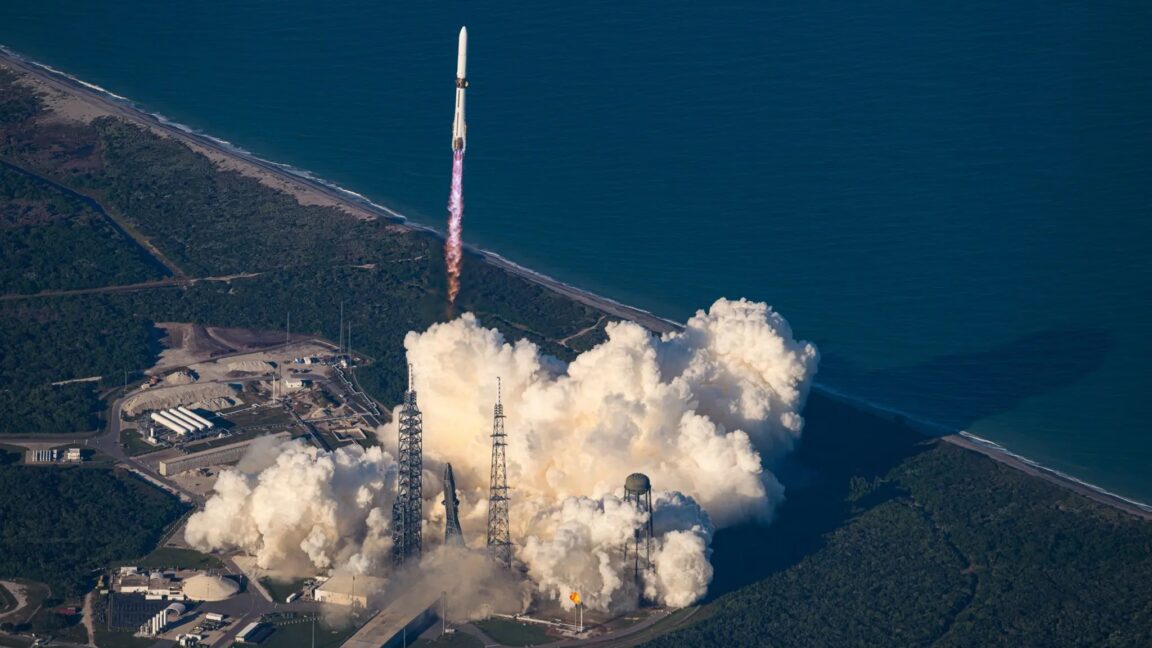
Inside the Pentagon, the pressure is on to find a home for a new spaceport
Leaders in the US Space Force would like to have a new spaceport up and running in four years, adding a third heavy-lift launch site to relieve…