Rejuvenation breakthrough: Scientists reverse 60 years of aging in human cells
Scientists have turned blood cells from an 80-year-old into neural stem cells with a molecular age of less than 20, effectively reversing more than 60 years…

ScienceDaily reports that scientists have turned blood cells from an 80-year-old into neural stem cells with a molecular age of less than 20, effectively reversing more than 60 years of cellular aging in the laboratory.
The discovery offers a new way to investigate how cells become younger and could help researchers better understand age-related diseases such as Alzheimer's.
This science story centres on the United States.
Why it matters
Research developments are often early steps — further studies typically determine how significant they prove to be.
Key details
- Location
- United States · Americas
- Reported by
- ScienceDaily
- First reported
- Key names
- Alzheimer
- Section
- Science
Sources
This is an independent summary. Read the full, original reporting from the publisher:
Read the full story at ScienceDailySpotted an error? Request a correction · How this summary was produced
Related Stories
Too much RNA can starve cells of energy, scientists discover
Scientists have uncovered an unexpected danger lurking inside cells: too much RNA can damage the structures responsible for producing energy.
Your aging brain may be trading memory for something more valuable
The aging brain may be undergoing a remarkable transformation rather than simply losing its abilities, shifting its focus from remembering details…
Scientists find a way to fight Alzheimer’s brain damage without removing toxic tau
Scientists have found a promising way to protect the brain from Alzheimer’s-related damage by blocking immune cells that contribute to the…
Why some people escape Alzheimer’s despite carrying a high-risk gene
Scientists have discovered why some people with a high genetic risk of Alzheimer’s remain mentally sharp into their 80s, uncovering a rare mutation…

New human data hints at psychedelics' potential to combat inflammation
Now, researchers are publishing some of the first data in humans that signals this holds potential for patients with neurodegenerative diseases like…
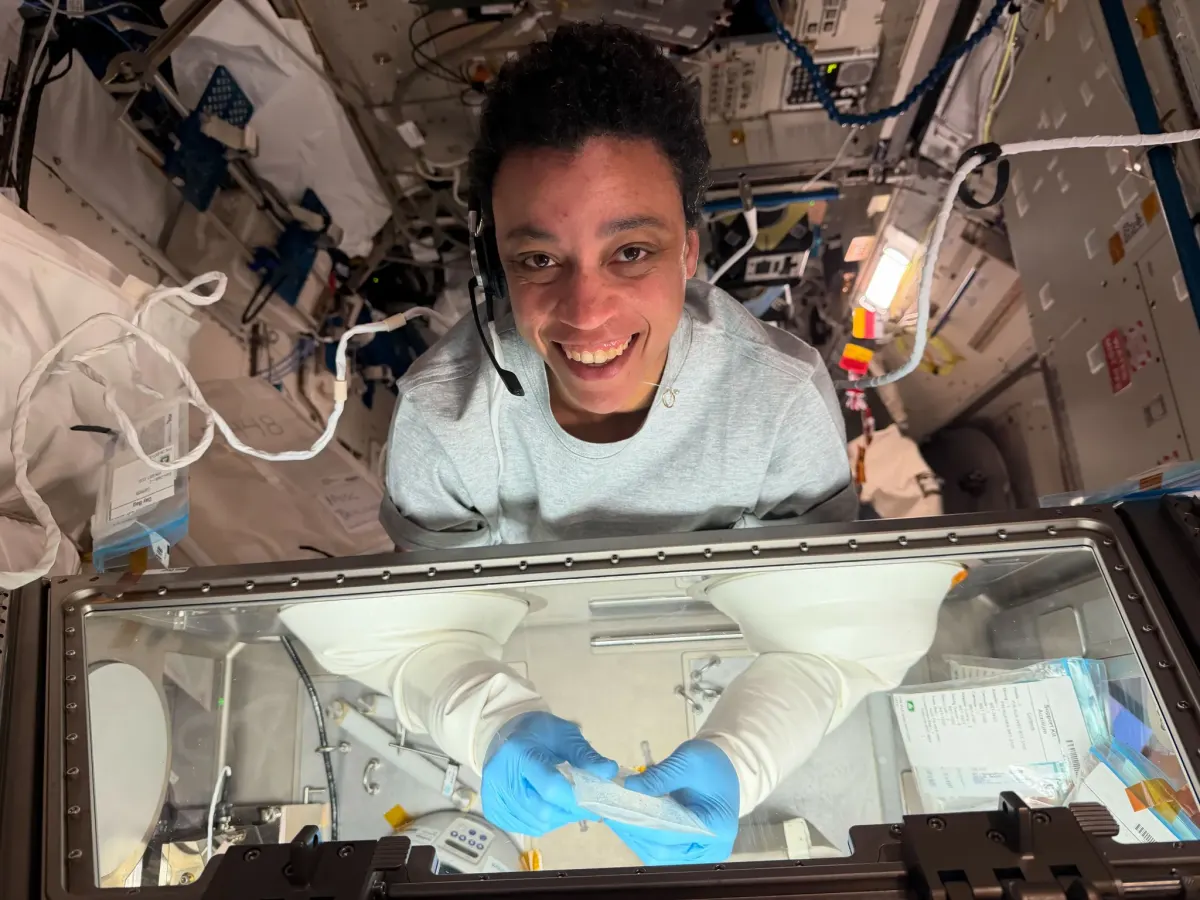
Science on the Space Station with NASA Astronaut Jessica Watkins
NASA astronaut and Expedition 75 flight engineer Jessica Watkins works inside the Kibo laboratory module’s Life Science Glovebox on Oct. 9, 2026…

Drilling approved at controversial Jackdaw gas field in North Sea
The UK government said the field, which is opposed by environmental campaigners, could be producing gas by the end of this month.

More than a million mice used in Australian research annually, ‘overdue’ study finds
Dr Malcolm France, a veterinarian who compiled the data, described the count, released today, as “an overdue first step” towards publishing national…