Scientists accidentally discover a genetic code that breaks the rules of life
Scientists accidentally discovered a microscopic organism with a genetic code that breaks a rule researchers thought was nearly universal.

According to ScienceDaily, scientists accidentally discovered a microscopic organism with a genetic code that breaks a rule researchers thought was nearly universal.
While testing a new DNA sequencing technique, they examined a previously unknown protist collected from a freshwater pond at Oxford University. To their surprise, the organism uses two genetic signals that normally mark the end of a gene to encode two entirely different amino acids instead.
This science story centres on the United States. Names and organisations mentioned in the coverage include DNA and Oxford University.
Why it matters
Scientific work like this adds to what we know and can inform future research, policy and technology.
Key details
- Location
- United States · Americas
- Reported by
- ScienceDaily
- First reported
- Key names
- DNA, Oxford University
- Section
- Science
Sources
This is an independent summary. Read the full, original reporting from the publisher:
Read the full story at ScienceDailySpotted an error? Request a correction · How this summary was produced
Related Stories
Scientists reprogram immune cells inside the body to fight cancer
Scientists at UC San Francisco have developed a way to create cancer-fighting CAR-T cells directly inside the body, potentially avoiding the slow…
Scientists discover a human brain gene that can jump through DNA
Called BC200, the gene evolved millions of years ago from a mobile piece of DNA known as a transposon, but unlike most genes that arose this way, it…

Hurricane Isaias live updates: hundreds of thousands without power as storm batters US Gulf Coast
“Maximum sustained winds have decreased to near 35 mph (55 km/h) with higher gusts.

After losing ground with Latino voters, Democrats are turning to influencers for help
Democrats are hoping to win back Latino voters who have soured on both parties.

France: Scientists conduct microgravity experiments on parabolic flights
This week in Bordeaux, the CNES, the French space agency, launched a microgravity research campaign with scientists from all over the world.

Chemicals at former fuel depot 'have been removed'
Barrels of forever chemicals left at a development site have been removed, a developer has said.

APOD: 2026 October 10 – Lunar Farside
APOD Science APOD APOD: 2026 October 10… Today’s APOD Archive Submissions Index Search Calendar RSS Education About Discuss APOD Astronomy Picture…
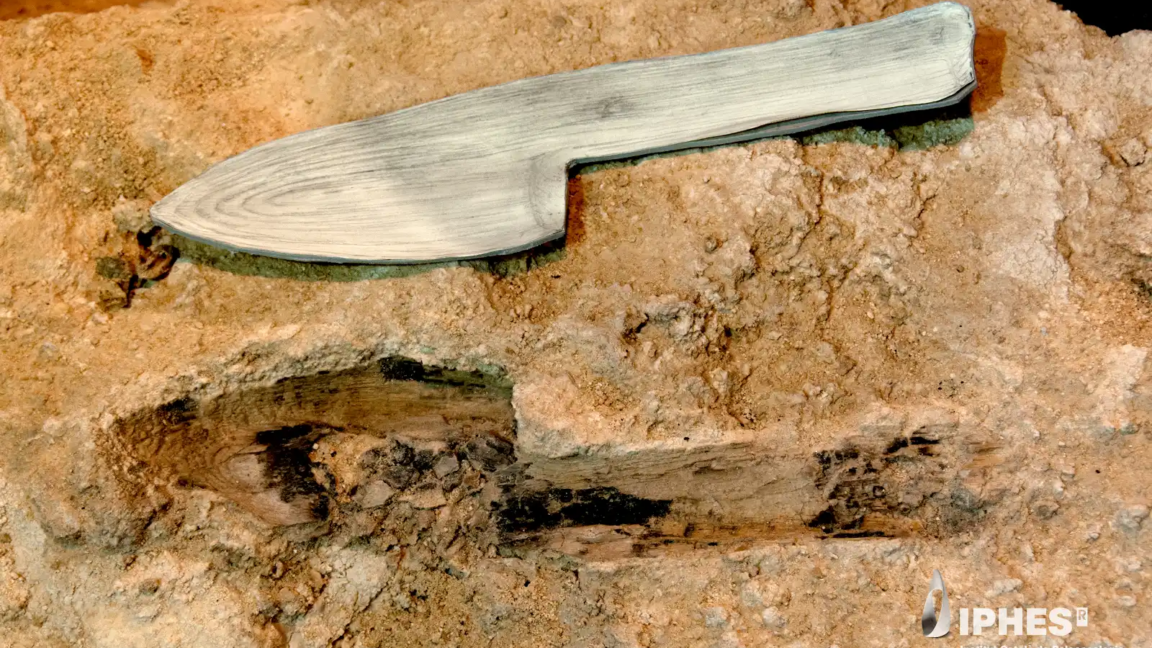
Neanderthal wooden tools from Spain found preserved in stone
But at Abric Romaní, a rock shelter in Capellades, west of Barcelona, mineral-rich water coated wooden Neanderthal tools in a limestone-like crust.