Scientists find a surprising clue to why the universe’s expansion doesn’t add up
Tiny magnetic fields created shortly after the Big Bang may help explain the long-running disagreement over how fast the universe is expanding.

ScienceDaily reports: Tiny magnetic fields created shortly after the Big Bang may help explain the long-running disagreement over how fast the universe is expanding.
Detailed simulations show that these primordial fields could have changed the formation of hydrogen in the early universe, affecting the cosmic microwave background and the expansion rate inferred from it.
This science story centres on the United States.
Why it matters
Research developments are often early steps — further studies typically determine how significant they prove to be.
Key details
- Location
- United States · Americas
- Reported by
- ScienceDaily
- First reported
- Key names
- Big Bang
- Section
- Science
Sources
This is an independent summary. Read the full, original reporting from the publisher:
Read the full story at ScienceDailySpotted an error? Request a correction · How this summary was produced
Related Stories

Tree nearly as old as US torn down to expand Mexico border wall
A 200-year-old cottonwood tree has been cut down to make way for a 44-km US-Mexico double border wall despite protests.
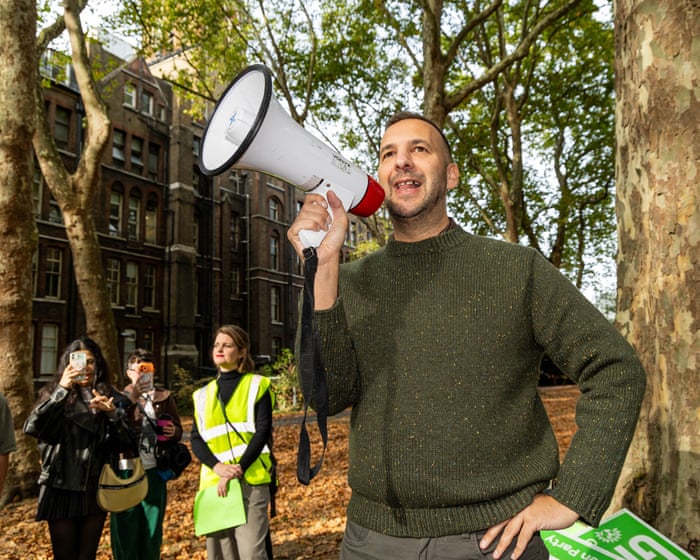
Zack Polanski had the chance to show real leadership. He blew it | Rafael Behr
A toxic debate over anti-Zionism leaves the Green leader looking like a passenger in the movement that carried him to the top When Donald Trump…

US stock market hits all-time high as investors continue to bet on AI
The benchmark S&P 500 is up 14 percent this year despite elevated oil prices and US government debt sell-off.

Yemeni forces launch offensive to retake Houthi-held al-Waziiya in Taiz
The mountainous district is key to control of Mocha, the Red Sea port the Houthis seized last month.

A beautiful Himalayan bird is changing its voice due to human activity, research shows
A sharp increase in human activity is affecting the way the Himalayan monal lives and communicates, studies show.

Gloucester Docks dredging project costing £4m begins
Silt levels in the docks have left boats stranded and led to the docks closing this summer.

'Ghost particles' from space telescope wins physics Nobel
Belgian physicist Prof Francis Halzen has won for his pioneering work on an observatory that detects particles from space.