Scientists may have finally solved the mystery of the Moon’s two faces
Scientists may have solved a long-standing mystery about why the Moon’s two sides are so different, using samples collected from its farside for the first…

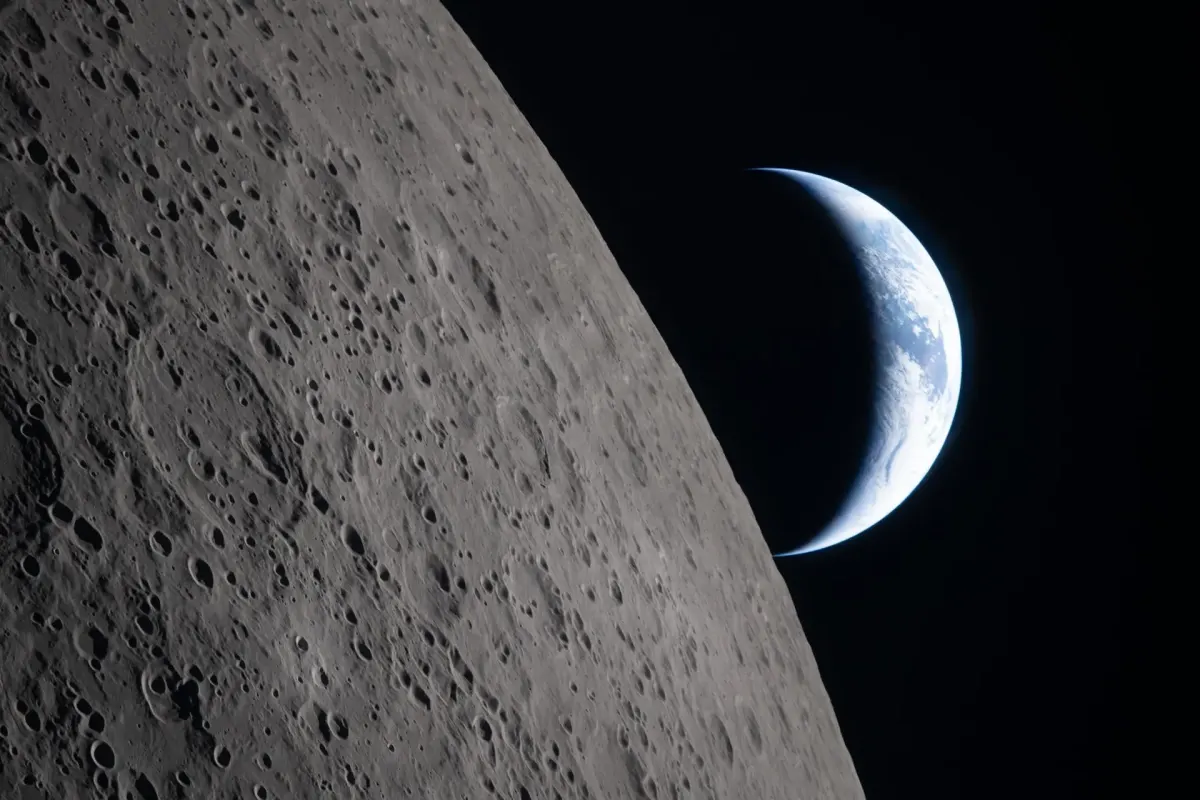
According to ScienceDaily, scientists may have solved a long-standing mystery about why the Moon’s two sides are so different, using samples collected from its farside for the first time.
Their findings suggest that uneven heating from Earth's gravitational pull drove enormous flows of ancient magma, creating the dramatically different lunar landscapes we see today.
This science story centres on the United States. Names and organisations mentioned in the coverage include Moon and Earth.
Why it matters
Scientific work like this adds to what we know and can inform future research, policy and technology.
Key details
- Location
- United States · Americas
- Reported by
- ScienceDaily
- First reported
- Key names
- Moon, Earth
- Section
- Science
Sources
This is an independent summary. Read the full, original reporting from the publisher:
Read the full story at ScienceDailySpotted an error? Request a correction · How this summary was produced
Related Stories
NASA astronauts splash down after 100 million miles in space
NASA’s SpaceX Crew-12 astronauts have returned to Earth after 237 days in space, traveling more than 100 million miles and completing over 3,792…
Europe's new Sentinel-3C satellite just sent back spectacular images of Earth
Europe's Sentinel-3C satellite has returned breathtaking images of Earth just two weeks after launch, revealing the snowy Alps, frozen Arctic…
Scientists uncover the 2.3-billion-year-old secret that helped keep Earth habitable
Scientists may have solved a 2.3-billion-year-old mystery about how Earth maintained enough oxygen to support life.
NASA spots a giant patch of Moon-like rock on Earth
An astronaut aboard the International Space Station photographed a remarkable formation in Madagascar that looks surprisingly similar to the Moon’s…
NASA to Discuss Artemis Acceleration, Status of Upcoming Moon Missions
NASA will provide an update on its plans to return American astronauts to the surface of the Moon by 2028 at 2 p.m. EDT, Friday, Oct. 23, at the…

Burnham - Rosebank and Jackdaw oil and gas decisions coming 'shortly'
Conservative leader Kemi Badenoch has urged the prime minister to stop "faffing about" with the North Sea oil and gas fields.
Scientists reveal why some workout recovery tricks can backfire
Ice baths, massages, compression garments, and recovery supplements promise faster muscle recovery, but research suggests their benefits are often…
Cornell scientists identify rare human genetic disorder in two unusually long-legged cats
Two unusually long-legged cats have helped scientists uncover the first genetically confirmed cases of Marfan syndrome in domestic felines.