South Wales police facial scans disproportionately target ethnic minorities
The Guardian reported that internal figures released by South Wales police show ethnic minority people are four times more likely than white residents to be…
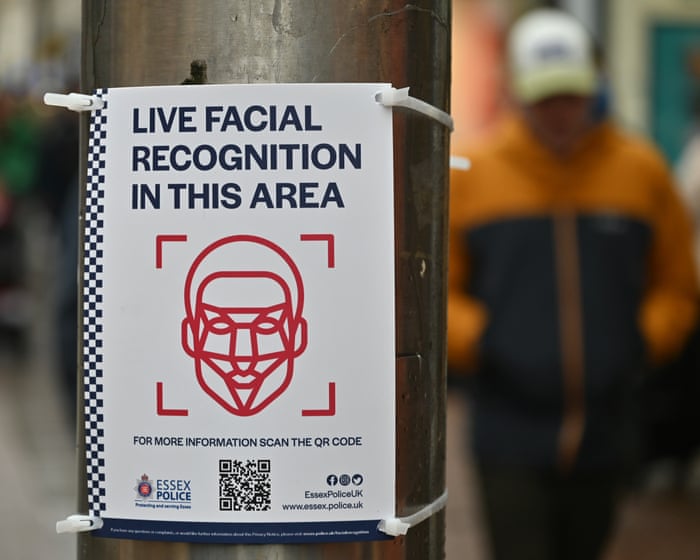
The Guardian reported that internal figures released by South Wales police show ethnic minority people are four times more likely than white residents to be selected for police facial recognition checks. The data, covering 2025, indicate that 24% of those chosen for scans were from BAME backgrounds, even though the same groups comprise only 7% of the local population. Officials described the disparity as evidence of possible racial bias in the use of the technology. The figures, described as "official data" by the outlet, have prompted warnings that the practice may unfairly target minority communities.
The disparity highlights a gap between the demographic makeup of South Wales and the subset of individuals subjected to facial scans, raising questions about the criteria used for selection. Critics argue that the pattern could undermine public confidence in policing tools that rely on biometric identification.
Why it matters
The findings suggest that police facial recognition may be applied unevenly, raising concerns about racial bias and the fairness of surveillance practices.
Key details
- Location
- United Kingdom · Europe
- Reported by
- The Guardian
- First reported
- Key names
- South Wales, Wales, BAME, Ethnic
- Section
- Technology
- Figure cited
- Internal figures released by South Wales police revealed that 24% of people selected by police for facial recognition checks were from ethnic minorities, despite this group making up only 7% of the area’s total population. (The Guardian)
Sources
This is an independent summary. Read the full, original reporting from the publisher:
Read the full story at The GuardianSpotted an error? Request a correction · How this summary was produced
Related Stories
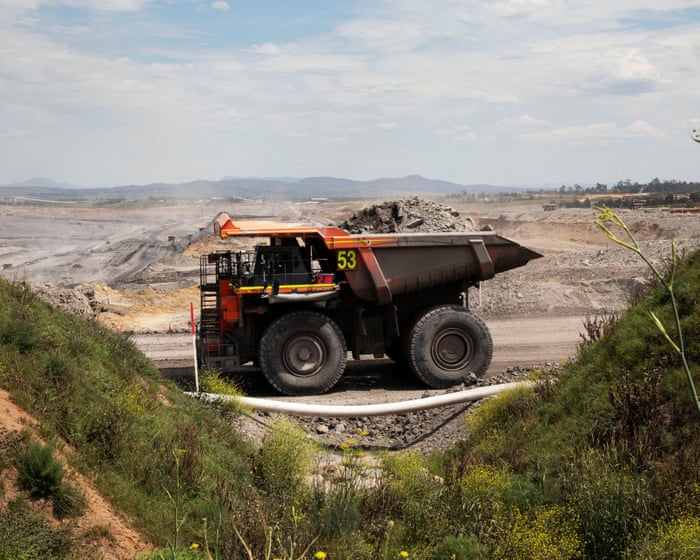
NSW parliament to debate bill expanding coal output amid corruption concerns
The Guardian reported that New South Wales parliament will debate a government bill this week that would allow MACH Energy to raise production at…
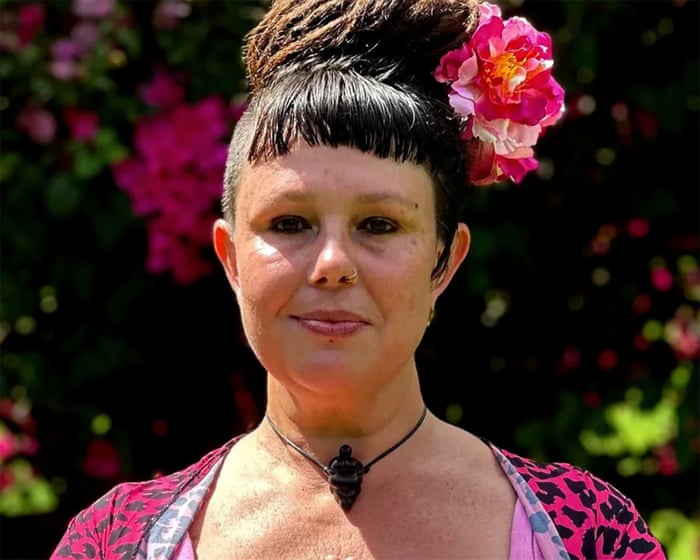
Birth keeper’s advice to pregnant woman cited at NSW coroner’s inquest
A self‑described birth keeper told a pregnant woman whose baby later died to “go home and rest” after she had been urged to present to an emergency…
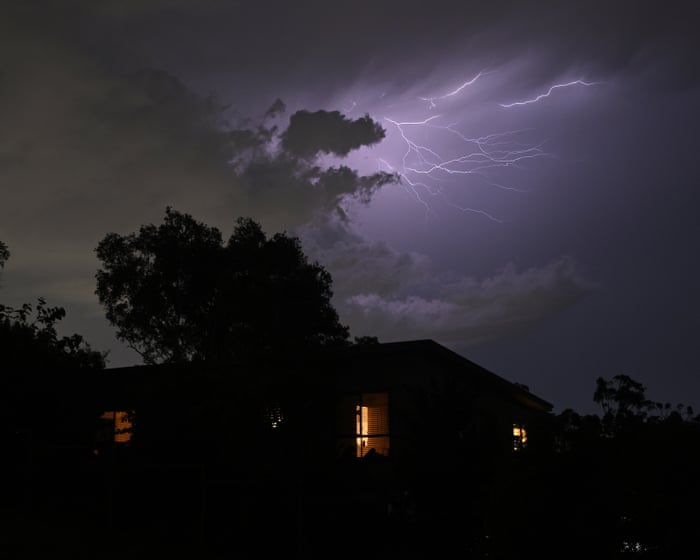
Supercell storms bring hail, high winds and lightning risk to NSW
The Guardian reported that dangerous supercell thunderstorms with the potential for giant hail and destructive winds were forecast for parts of New…
Guardian report says NSW corruption inquiry exposes lobbying loopholes and party influence
The Guardian reported that a recent inquiry by the New South Wales corruption watchdog, known as Rosny, highlighted the ease with which a group of…
Truck driver dismissed after using smartglasses at LPG terminal in Victoria
A Toll truck driver in Victoria was dismissed after a court heard he used smartglasses to take photos at an LPG terminal, an act described as…

Sensor Tower says GTA 6 pre‑orders have generated $1.18bn
BBC News reported that Sensor Tower estimates Grand Theft Auto VI has already earned $1.18 billion from pre‑orders on PlayStation and Xbox.

Indian AI start‑ups work to repair roads and clean up land records
The BBC reported that dozens of Indian artificial‑intelligence start‑ups are turning their technology toward problems that are uniquely Indian.

California files lawsuit against OpenAI over alleged unsafe AI agent attack
The Guardian reported that California sued OpenAI on Monday, saying the company developed its technology without safety or the public’s interest in…