Starwatch: Catch the Orionid meteor shower streak across the night sky
As Earth passes through dust left by Halley’s comet, observers may see 10-20 fragments per hour The annual Orionid meteor shower reaches its peak this week…
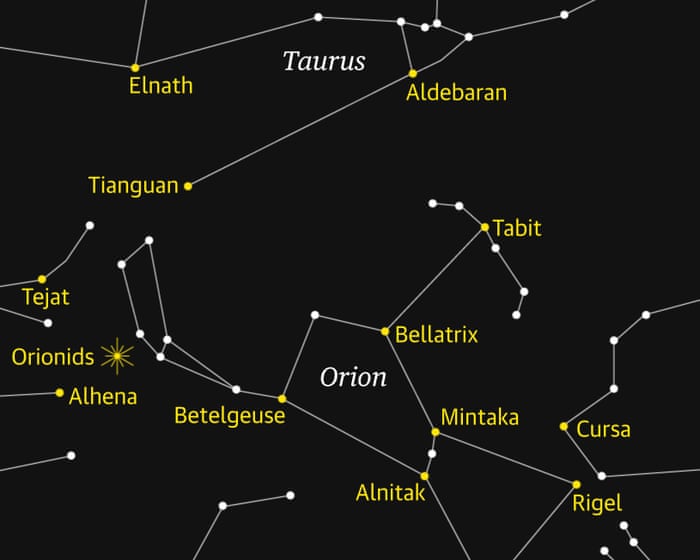
The Guardian reports: As Earth passes through dust left by Halley’s comet, observers may see 10-20 fragments per hour The annual Orionid meteor shower reaches its peak this week, offering the chance to see fragments of the most famous comet of all streaking across the night sky.
The Orionids occur every October as Earth passes through a stream of dust left behind by Halley’s comet.
This science story centres on the United Kingdom. Names and organisations mentioned in the coverage include Catch the Orionid, Earth and Halley.
Why it matters
Scientific work like this adds to what we know and can inform future research, policy and technology.
Key details
- Location
- United Kingdom · Europe
- Reported by
- The Guardian
- First reported
- Key names
- Catch the Orionid, Earth, Halley, Orionids
- Section
- Science
- Figure cited
- As these tiny particles plunge into Earth’s atmosphere at about 66 kilometres per second, they heat the surrounding air and produce the fleeting streaks of light that we call meteors. (The Guardian)
Sources
This is an independent summary. Read the full, original reporting from the publisher:
Read the full story at The GuardianSpotted an error? Request a correction · How this summary was produced
Related Stories

Cop17 at a glance: everything you need to know about the UN’s nature summit
This month’s biodiversity summit in Yerevan, Armenia, aims to push governments to meet the 23 targets agreed at Cop15 in 2022 This month, nearly…

Mission set to blast off for Mars to grab a piece of its moon
A spacecraft is set to launch on an ambitious mission to bring 10g of Martian moon dust back to Earth.

They war-gamed dimming the Sun. It went even worse than you think
When it comes to deciding the fate of the planet, Colleen Golja always thought science and reason would have a seat at the table.
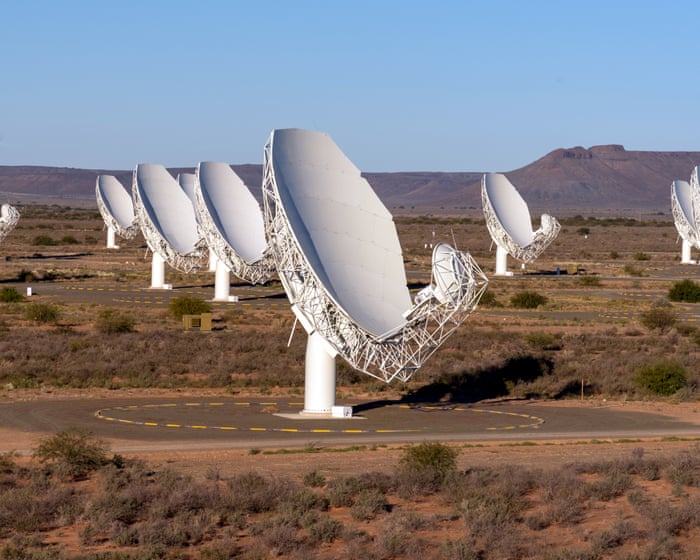
Astronomers detect mysterious burst of energy from a galaxy far, far away
Astronomers have now detected that flash – a burst of radio waves which travelled for more than 10bn years before reaching Earth – what they believe…

Volunteers plant 109,000 trees in new woodlands
In the last two seasons, almost 500,000 trees and 27,233 metres of new hedges, have been planted.

ISS mission: 'It's really exciting to see this renewal of French women in space'
More than six decades after thirteen pioneering women demonstrated they could meet the same demanding physical tests as America's first male…

Amelia Earhart researchers leave remote atoll empty-handed after ‘plane debris’ found to be a clump of trees
Expedition was drawn to Nikumaroro after spotting what was described as a metallic glint in waters off uninhabited island A US expedition that…
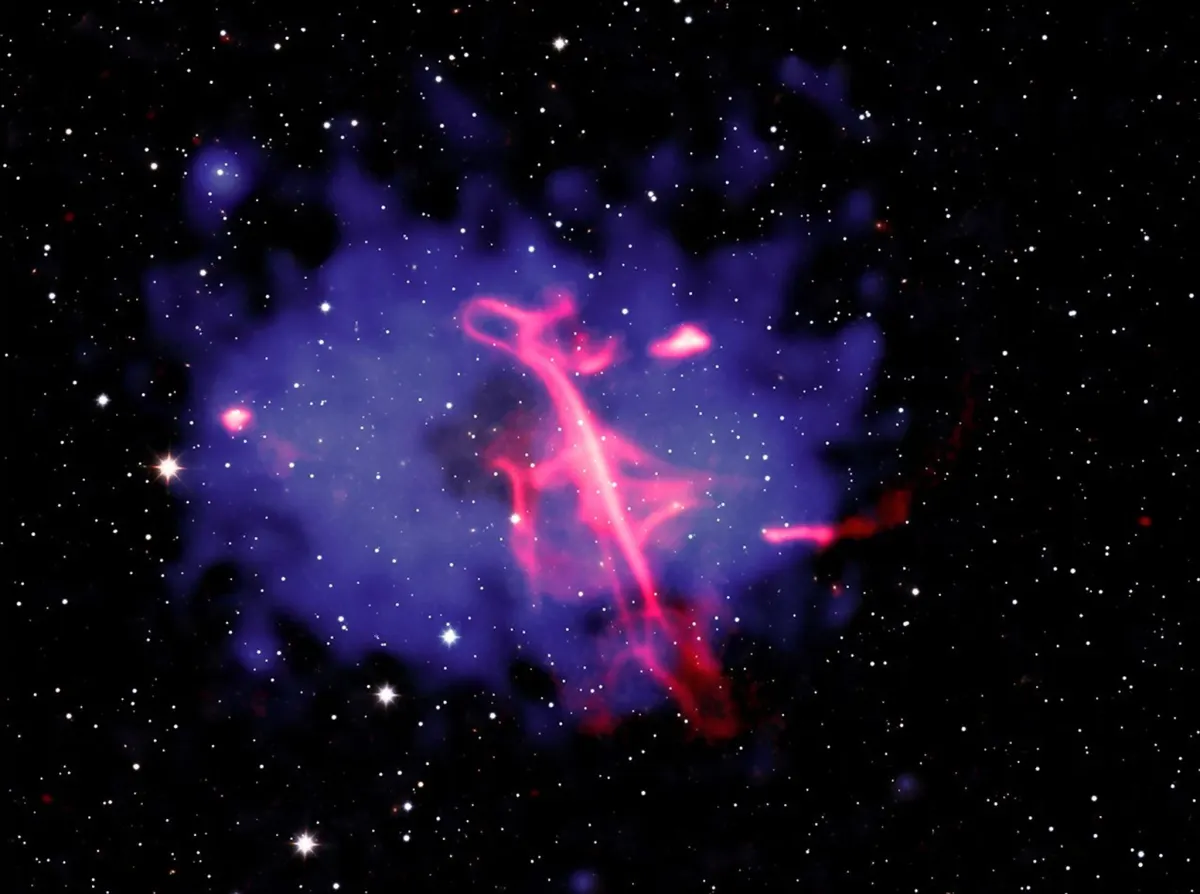
APOD: 2026 October 19 – Treble Clef: Unusual X-ray Hot Radio Source
APOD Science APOD APOD: 2026 October 19 –… Today’s APOD Archive Submissions Index Search Calendar RSS Education About Discuss APOD Astronomy Picture…