Analysis: Why NASA wants to build a nuclear reactor on the moon
The Artemis Accords, to which the U.S. and its allies vis-a-vis the moon are signatories, envisage temporary ‘safety zones’ to prevent harmful interference.

The Hindu reports that the Artemis Accords, to which the U.S. and its allies vis-a-vis the moon are signatories, envisage temporary ‘safety zones’ to prevent harmful interference.
This science story centres on the United States. Names and organisations mentioned in the coverage include NASA and Artemis Accords.
Why it matters
Research developments are often early steps — further studies typically determine how significant they prove to be.
Key details
- Location
- United States · Americas
- Reported by
- The Hindu
- First reported
- Key names
- NASA, Artemis Accords
- Section
- Science
Sources
This is an independent summary. Read the full, original reporting from the publisher:
Read the full story at The HinduSpotted an error? Request a correction · How this summary was produced
Related Stories

Things are finally looking up for NASA's first missions to Venus in a generation
The first, known as the Deep Atmosphere Venus Investigation of Noble gases, Chemistry, and Imaging (DAVINCI), is now scheduled for launch in…

NASA dumped over 800GB of Artemis II data online
This week NASA posted over 800GB worth of science data, images, and videos on the Artemis II: Sights & Sounds of Science site.

NASA spots a giant patch of Moon-like rock on Earth
An astronaut aboard the International Space Station photographed a remarkable formation in Madagascar that looks surprisingly similar to the Moon’s…
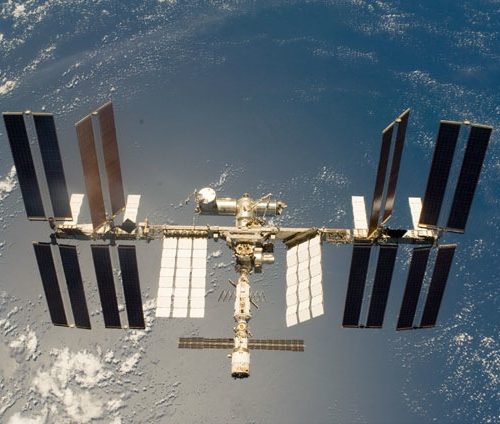
NASA issues long-awaited call to industry for private space stations
NASA on Friday released a much-anticipated "request" to the US commercial space industry to develop private space stations that, as early as 2030…

NASA Names Stephen Cash Marshall Space Flight Center Director
NASA Administrator Jared Isaacman has named Stephen Cash director of the agency’s Marshall Space Flight Center in Huntsville, Alabama, effective…
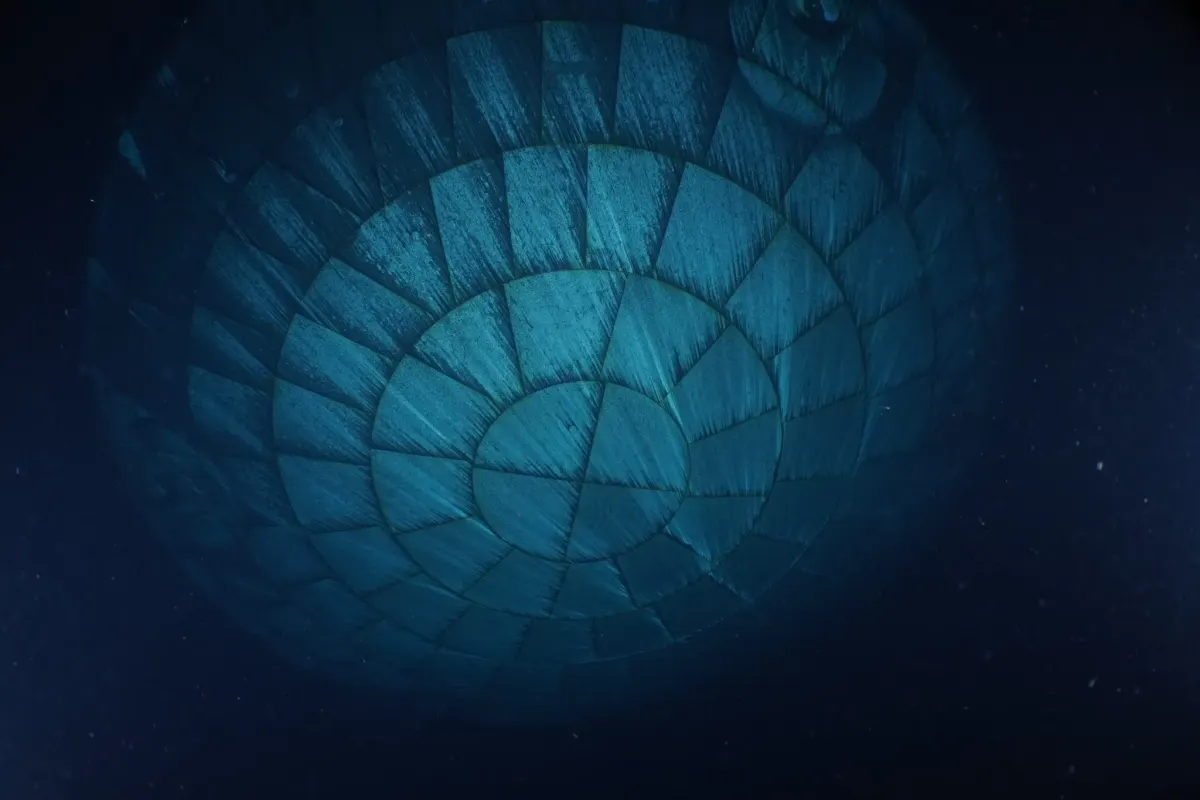
Artemis II Heat Shield After Splashdown
Shortly after NASA’s Artemis II mission splashed down on April 10, 2026, U.S. Navy divers captured underwater imagery of the Orion spacecraft’s heat…
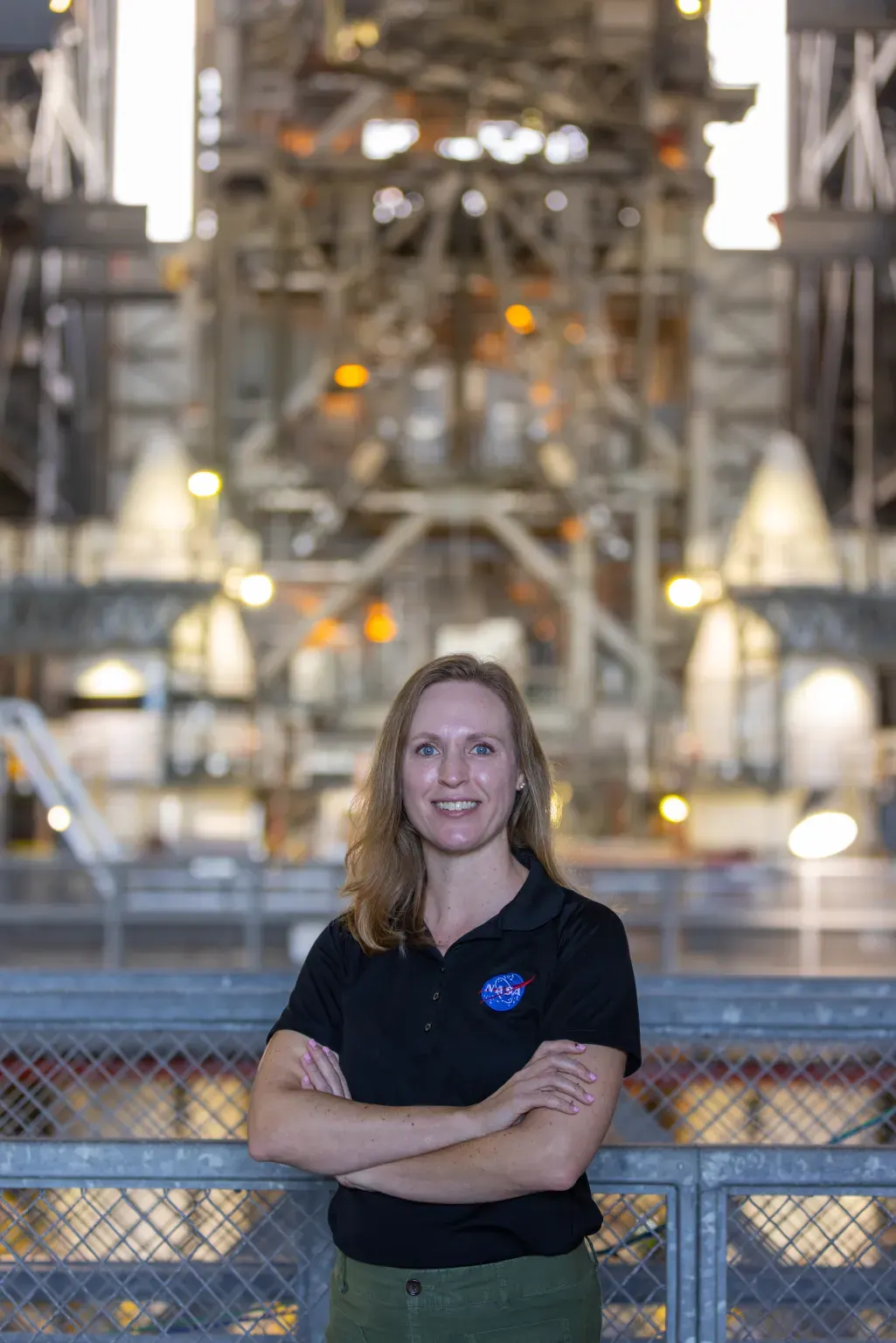
I Am Artemis: Allison Mjoen
As the supercooled propellant flowed into the core stage, and NASA’s SLS (Space Launch System) rocket roared to life, Allison Mjoen and her family…
USC scientists discover how to create a never-ending supply of cancer-fighting cells
USC scientists have discovered a way to create a potentially renewable supply of genetically engineered immune cells that can attack cancer and…