Artemis II Heat Shield After Splashdown
Shortly after NASA’s Artemis II mission splashed down on April 10, 2026, U.S. Navy divers captured underwater imagery of the Orion spacecraft’s heat shield.
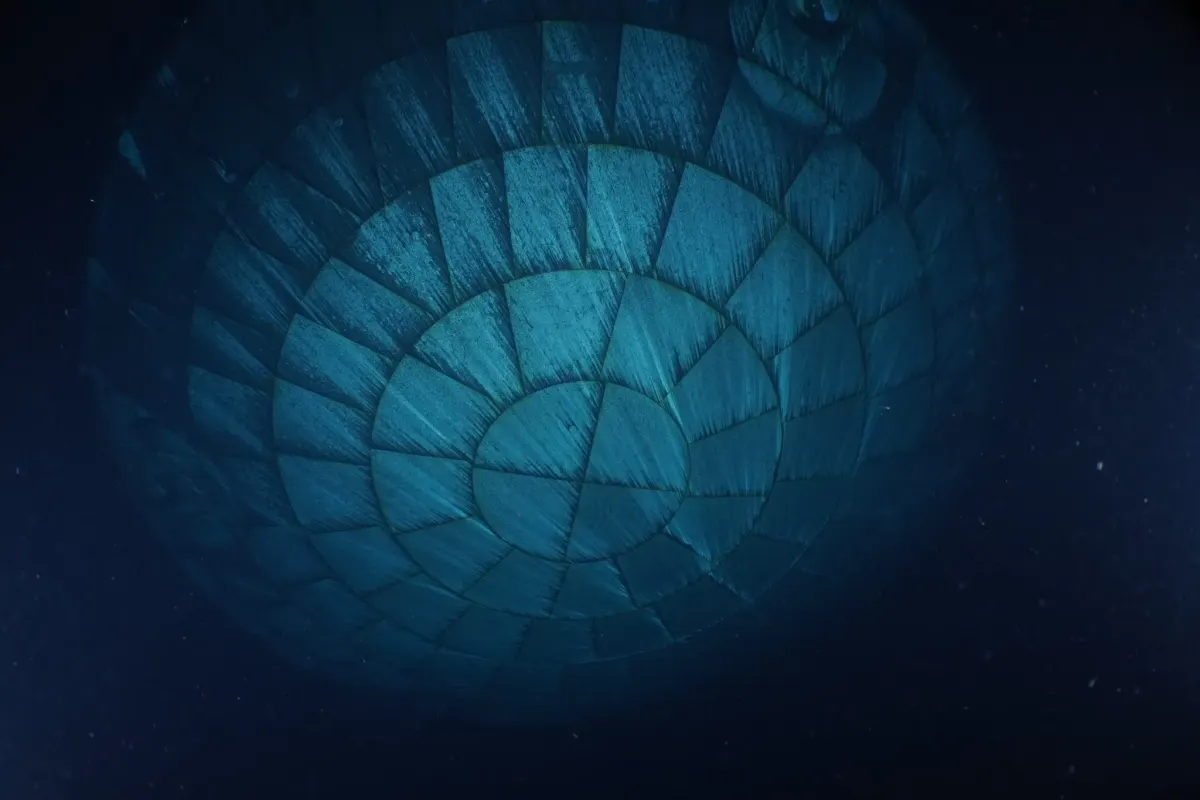
NASA reports: Shortly after NASA’s Artemis II mission splashed down on April 10, 2026, U.S. Navy divers captured underwater imagery of the Orion spacecraft’s heat shield.
In the months after, the agency measured whether the thermal protection system effectively safeguarded the crew and Orion systems as the spacecraft reentered Earth’s atmosphere. This rigorous analysis confirmed that the.
This science story centres on the United States. Names and organisations mentioned in the coverage include Artemis II Heat Shield, Orion and NASA’s Artemis II.
Why it matters
Research developments are often early steps — further studies typically determine how significant they prove to be.
Key details
- Location
- United States · Americas
- Reported by
- NASA
- First reported
- Key names
- Artemis II Heat Shield, Orion, NASA’s Artemis II, Earth
- Section
- Science
Sources
This is an independent summary. Read the full, original reporting from the publisher:
Read the full story at NASASpotted an error? Request a correction · How this summary was produced
Related Stories
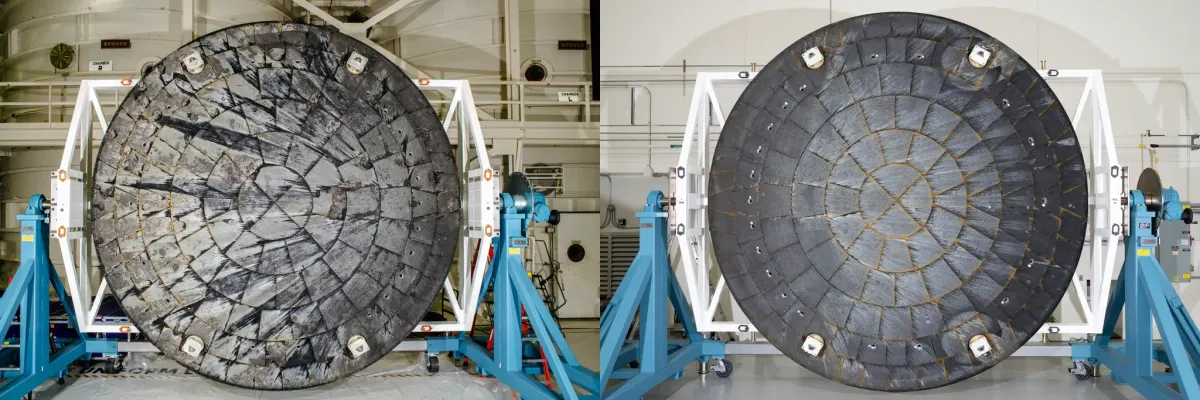
Rigorous Analysis Confirms NASA’s Artemis II Heat Shield Performance
NASA’s Artemis II mission sent four astronauts around the Moon and brought them safely back to Earth, laying a foundation for crewed flights to the…

Time is a-changin’: say goodbye to the leap second
On Thursday, the International Bureau of Weights and Measures (BIPM) voted to scrap the leap second, an ad hoc time adjustment that's occasionally…
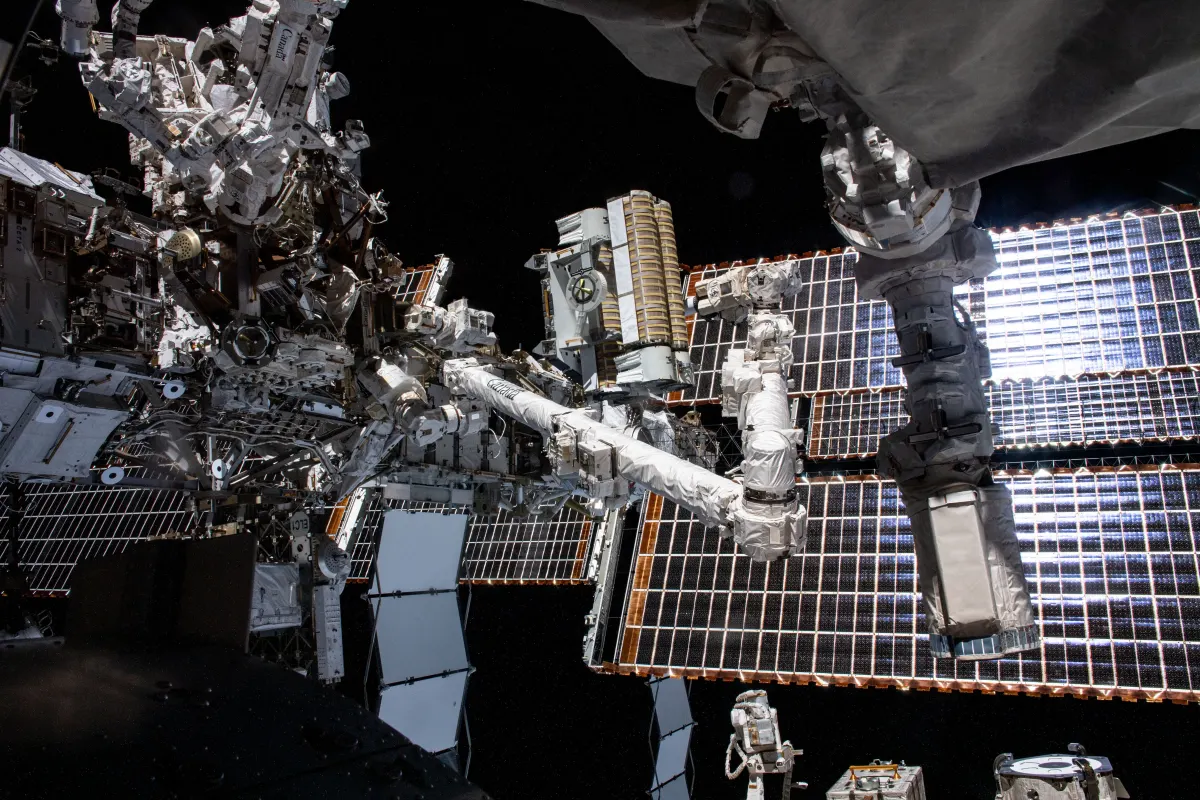
Power Up: Roll Out Solar Arrays Boost Space Station Power Supply
From the International Space Station’s unique position 250 miles above Earth, the Sun is a vital source of energy.
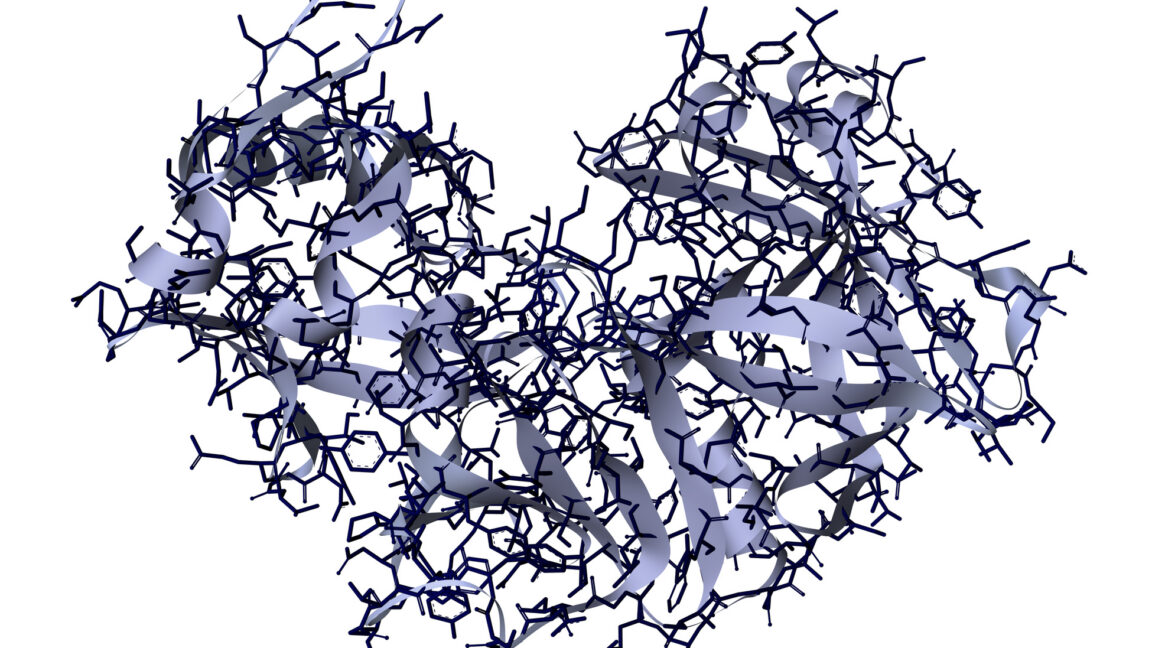
Researchers use AI to design proteins that cut up other proteins
A protein is a chain of amino acids held together by what are called peptide bonds.
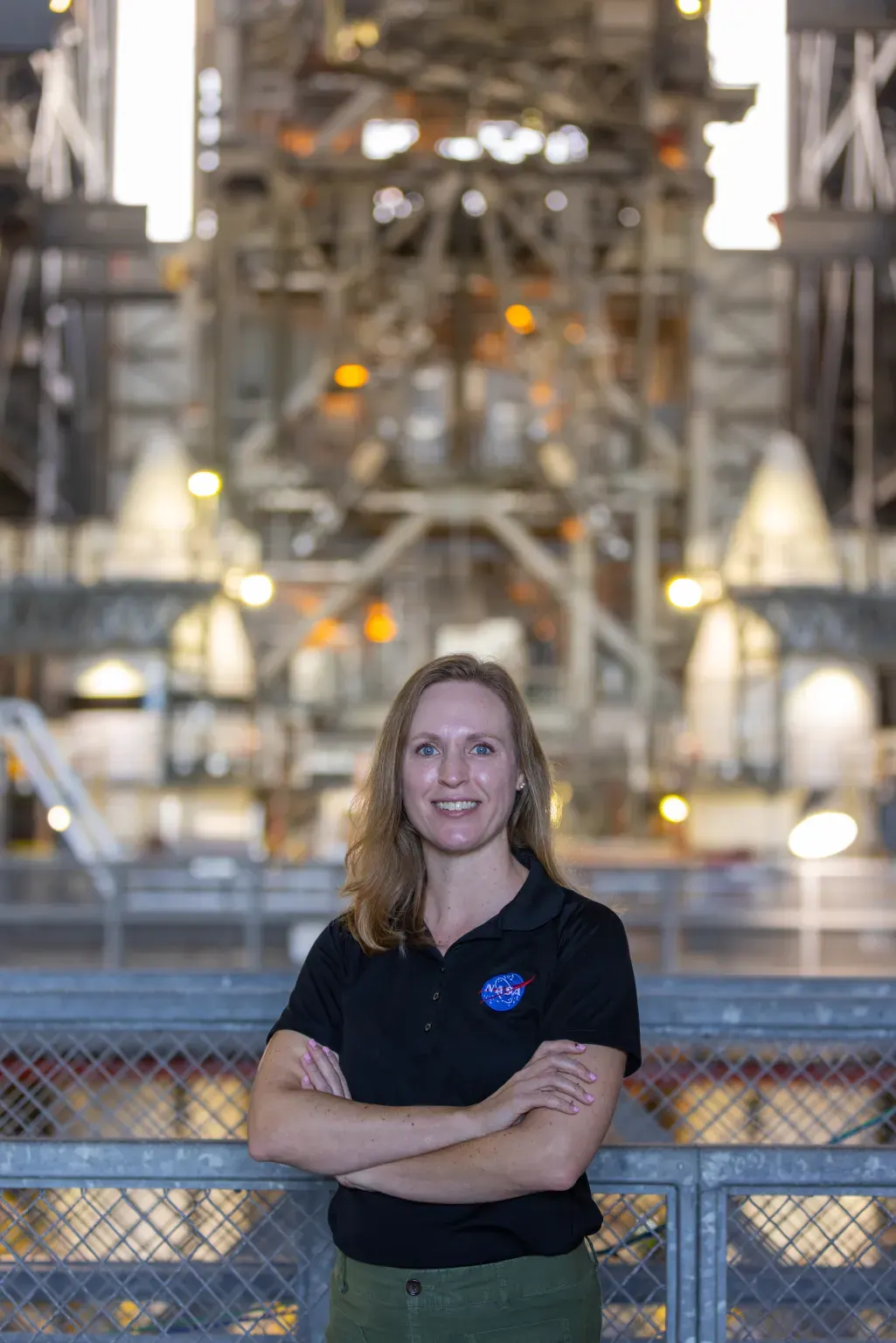
I Am Artemis: Allison Mjoen
As the supercooled propellant flowed into the core stage, and NASA’s SLS (Space Launch System) rocket roared to life, Allison Mjoen and her family…

USC scientists discover how to create a never-ending supply of cancer-fighting cells
USC scientists have discovered a way to create a potentially renewable supply of genetically engineered immune cells that can attack cancer and…
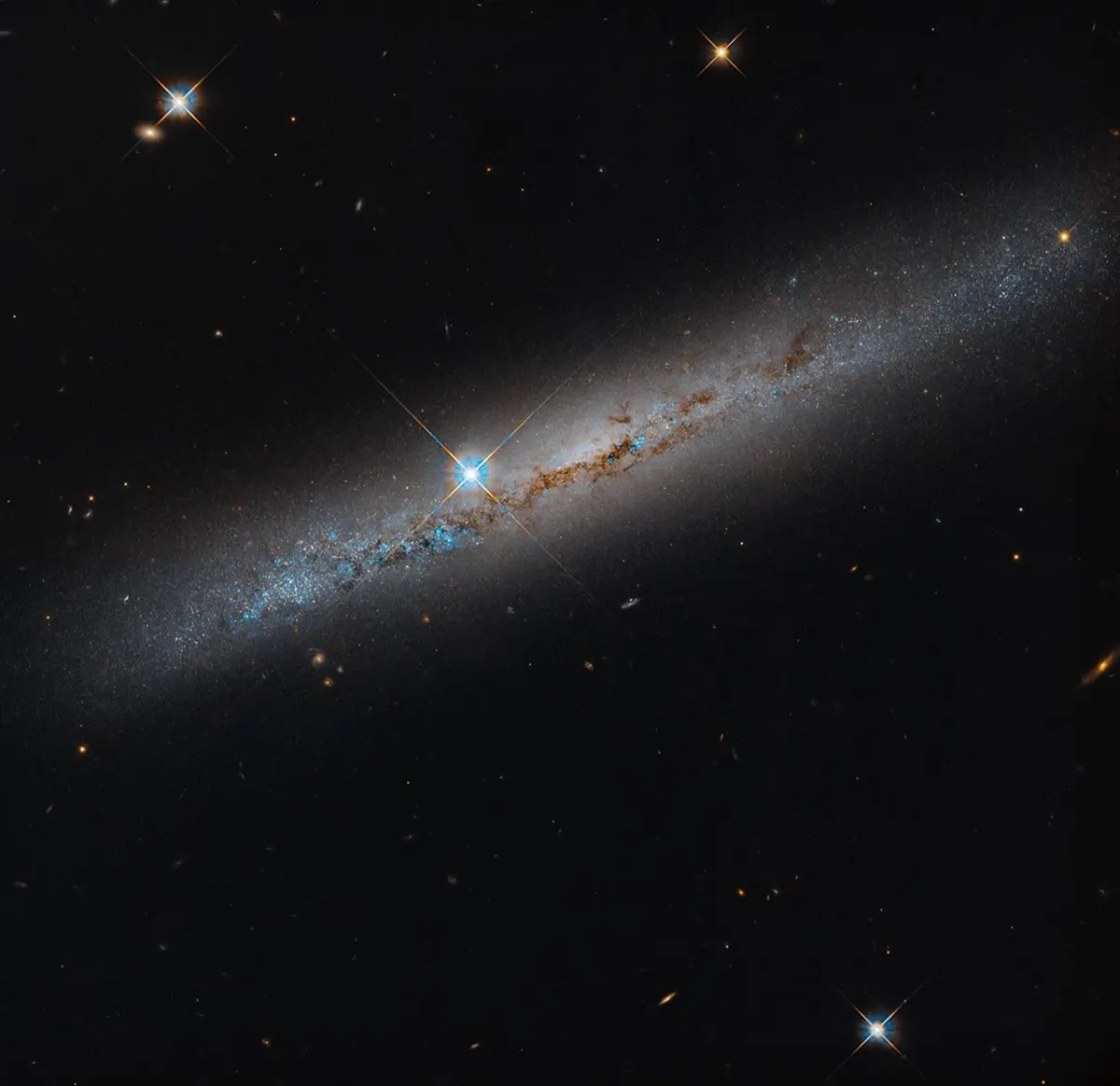
NASA’s Hubble Spies Spiral’s Edge
This NASA Hubble Space Telescope image features the edge-on, intermediate spiral galaxy NGC 1827, located roughly 37 million light-years away in the…
The uranium cubes that exposed Nazi Germany’s nuclear failure
Scientists investigating Nazi Germany's secret nuclear program have uncovered evidence that its final experimental reactor was nowhere near as close…