Power Up: Roll Out Solar Arrays Boost Space Station Power Supply
From the International Space Station’s unique position 250 miles above Earth, the Sun is a vital source of energy.
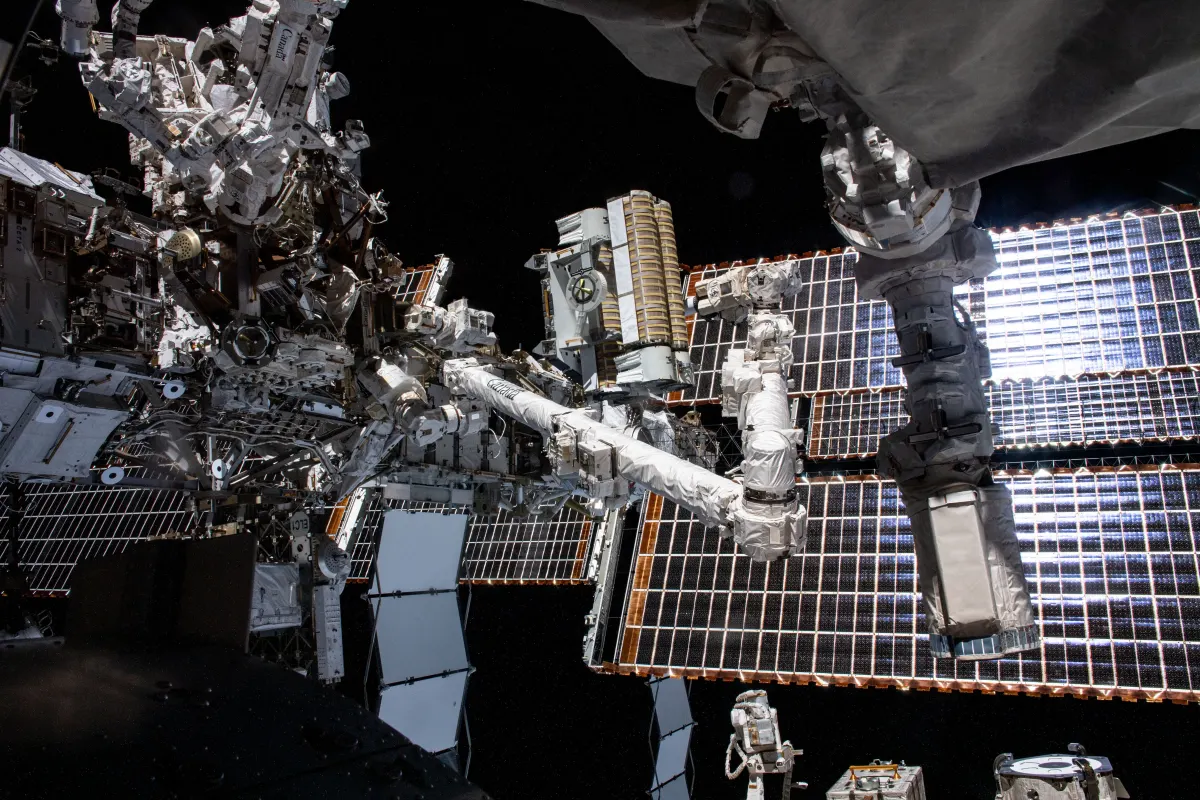
NASA reports: From the International Space Station’s unique position 250 miles above Earth, the Sun is a vital source of energy.
Solar power supports the station’s life support systems, daily activities, and hundreds of research investigations that improve life on Earth and prepare humans for deep space exploration. Over the past five years, NASA augmented the station’s.
This science story centres on the United States. Names and organisations mentioned in the coverage include Power Up, Roll Out Solar Arrays and Boost Space Station Power.
Why it matters
Scientific work like this adds to what we know and can inform future research, policy and technology.
Key details
- Location
- United States · Americas
- Reported by
- NASA
- First reported
- Key names
- Power Up, Roll Out Solar Arrays, Boost Space Station Power, Earth
- Section
- Science
Sources
This is an independent summary. Read the full, original reporting from the publisher:
Read the full story at NASASpotted an error? Request a correction · How this summary was produced
Related Stories
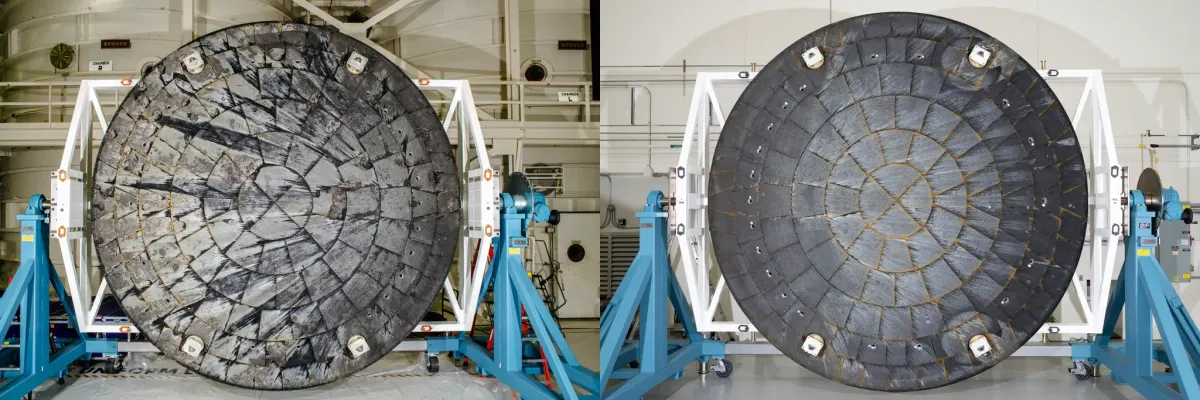
Rigorous Analysis Confirms NASA’s Artemis II Heat Shield Performance
NASA’s Artemis II mission sent four astronauts around the Moon and brought them safely back to Earth, laying a foundation for crewed flights to the…

Researchers use AI to design proteins that cut up other proteins
A protein is a chain of amino acids held together by what are called peptide bonds.

Scientists may have finally solved the mystery of the Moon’s two faces
Scientists may have solved a long-standing mystery about why the Moon’s two sides are so different, using samples collected from its farside for the…
Europe's new Sentinel-3C satellite just sent back spectacular images of Earth
Europe's Sentinel-3C satellite has returned breathtaking images of Earth just two weeks after launch, revealing the snowy Alps, frozen Arctic…
NASA Satellites Observe Historic 2026 El Niño
El Niño is a natural climate pattern that emerges roughly every two to seven years marked by warmer-than-normal water temperatures in parts of the…
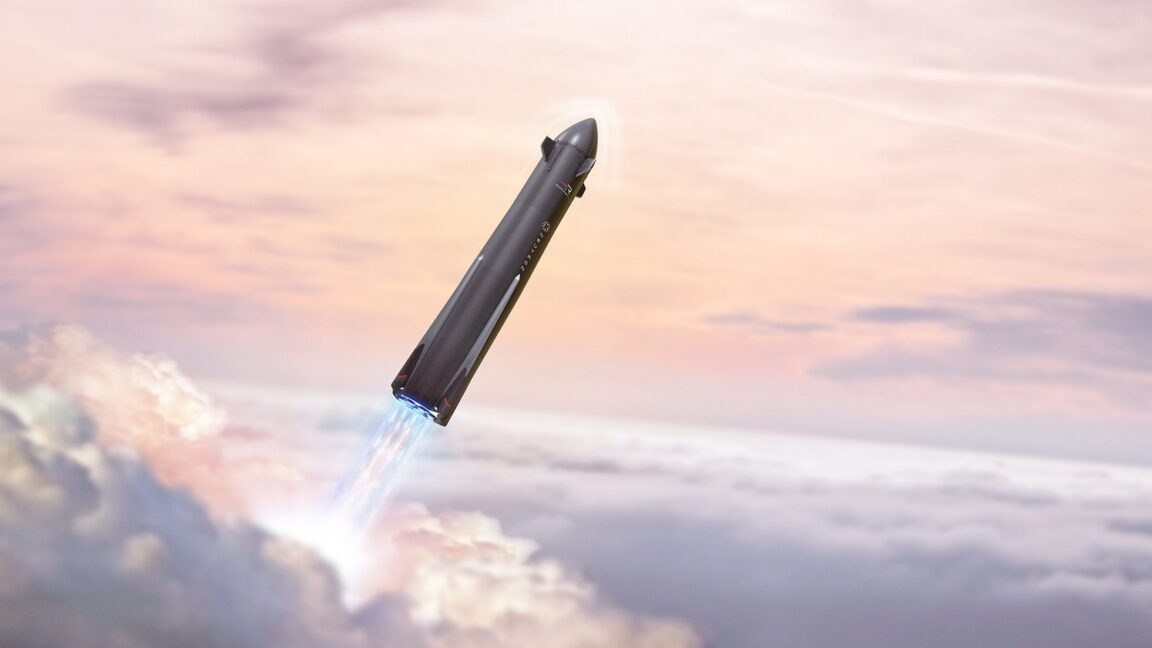
Rocket Lab announces another delay for its medium-lift Neutron rocket
Rocket Lab announced Wednesday that its Neutron launch vehicle won't fly until 2027, citing an issue discovered during manufacturing of the rocket's…
Inside the race between Elon Musk and Jeff Bezos for control of outer space
The Atlantic writer Josh Tyrangiel says Musk and Bezos each want to colonize the moon, mine its resources and launch thousands more satellites.

NASA to Conduct Low-Altitude Flights Over Texas Farmland
A NASA Dynamic Aviation A200 aircraft will conduct low-flying research flights over farmland near Transit, Texas, from Thursday, Oct. 22, through…