Does anyone actually want to win the medium-lift race in the United States?
It has been 13 years since the debut of a new medium-lift rocket in the United States, the Antares vehicle developed by Orbital Sciences Corporation.

Ars Technica reports that it has been 13 years since the debut of a new medium-lift rocket in the United States, the Antares vehicle developed by Orbital Sciences Corporation.
The initial 100-series variant of the Antares rocket was kind of a hot mess. The rocket used old Soviet engines built during the era when Apollo astronauts were landing on the Moon.
This science story centres on the United States. Names and organisations mentioned in the coverage include Antares, Orbital Sciences Corporation and Soviet.
Why it matters
Research developments are often early steps — further studies typically determine how significant they prove to be.
Key details
- Location
- United States · Americas
- Reported by
- Ars Technica
- First reported
- Key names
- Antares, Orbital Sciences Corporation, Soviet, Apollo
- Section
- Science
- Figure cited
- Decades later, in the 1990s, Aerojet acquired the engines and refurbished them for a rocket that would launch in the 2010s. (Ars Technica)
Sources
This is an independent summary. Read the full, original reporting from the publisher:
Read the full story at Ars TechnicaSpotted an error? Request a correction · How this summary was produced
Related Stories
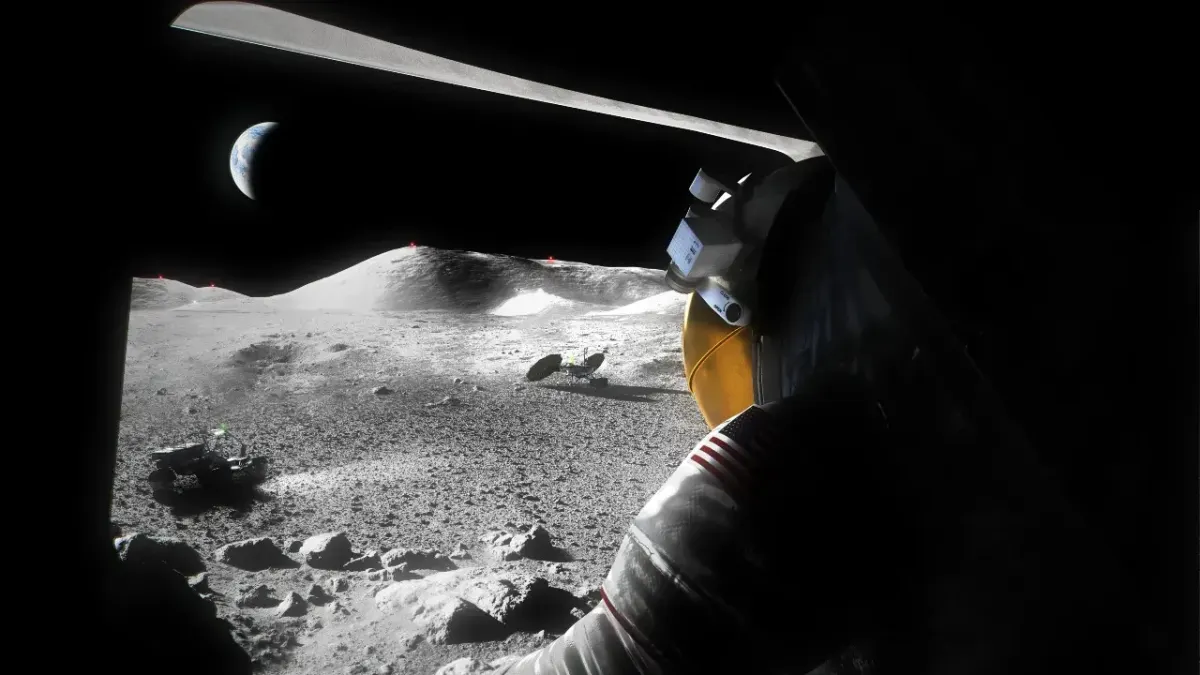
NASA Awards Enable Research, Technology to Build Future Workforce
Through NASA’s Minority University Research and Education Project (MUREP) Space Technology Artemis Research (M‑STAR) initiative, selected…
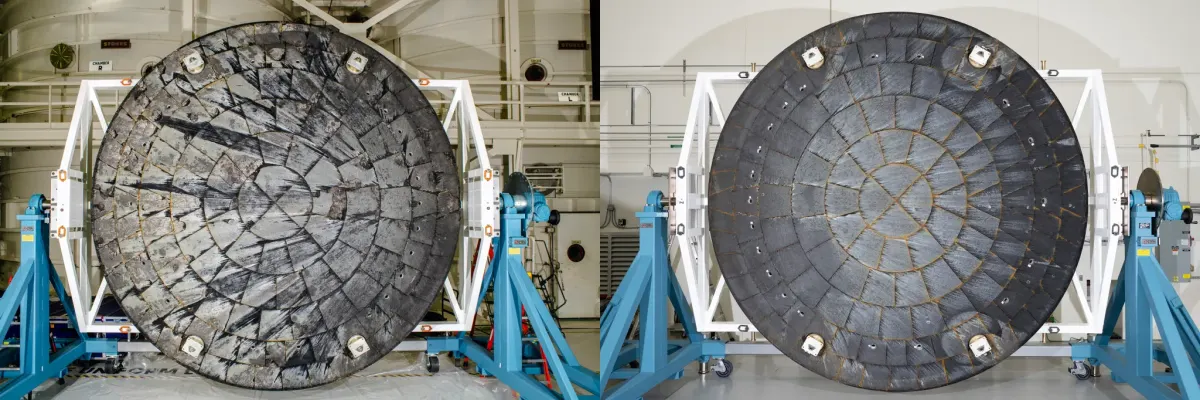
Rigorous Analysis Confirms NASA’s Artemis II Heat Shield Performance
NASA’s Artemis II mission sent four astronauts around the Moon and brought them safely back to Earth, laying a foundation for crewed flights to the…

Scientists may have finally solved the mystery of the Moon’s two faces
Scientists may have solved a long-standing mystery about why the Moon’s two sides are so different, using samples collected from its farside for the…
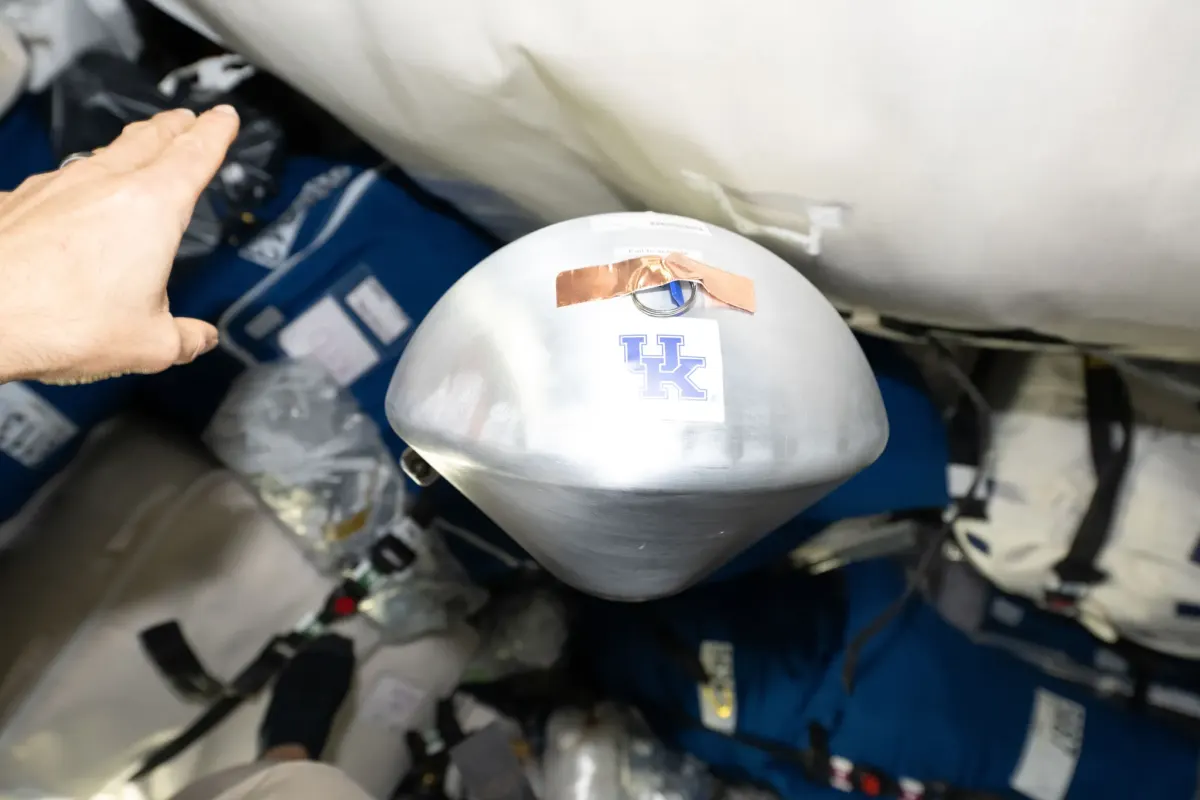
NASA Demonstrates Next-Generation Heat Shield Technologies
NASA is testing heat shields that can keep astronauts safe as they return from missions to the Moon and Mars in an unusual way: by taking out the…
Faster to Science: A Letter to the Science Community
NASA Science wants to deliver science faster, so we’re changing how we compete and select missions.

Orangutans prefer food associated with sounds of laughter, study suggests
Apes in study more likely to choose treats linked to sound of peers having fun, suggesting emotions influence learning Orangutans base their food…
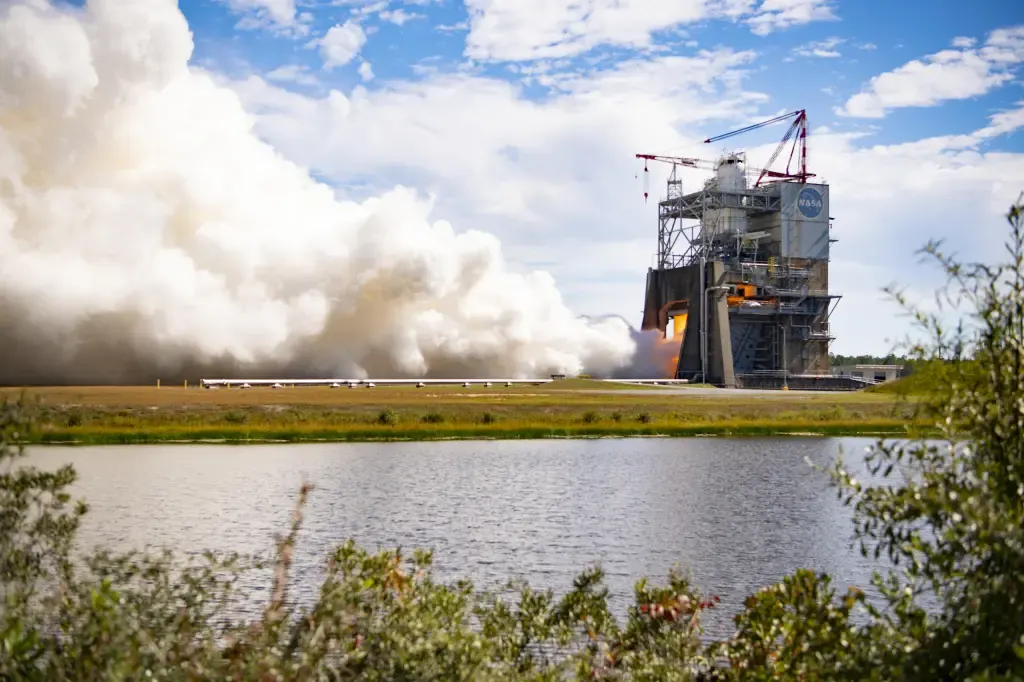
NASA Conducts RS-25 Engine Test in Support of Future Artemis Missions
NASA tested RS-25 engine No. 10001 on Oct. 21 on the Fred Haise Test Stand at NASA’s Stennis Space Center near Bay St. Louis, Mississippi.

New lab to become centre for investigating uplands
The research facility in Penrith will also help train the next generation of environmental scientists.