Greenpeace boulders could delay construction of £12bn North Sea wind farms
Greenpeace activists dumped about 15 tonnes of boulders onto the site of a £12bn offshore wind farm project off the Norfolk coast, a move that could stall…
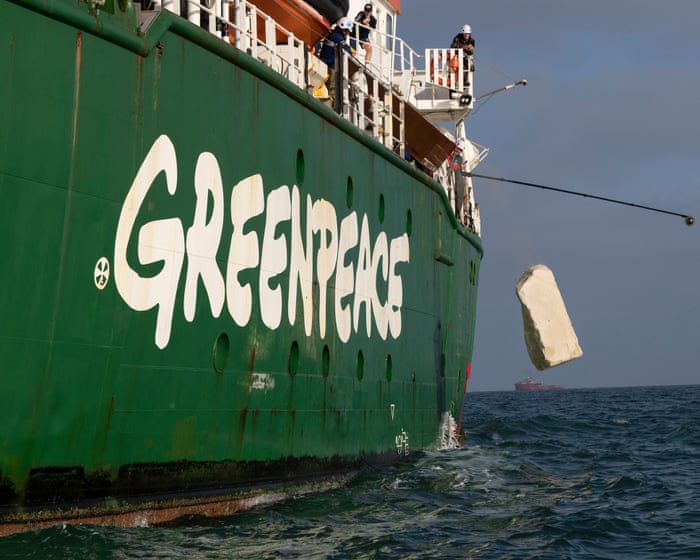
Greenpeace activists dumped about 15 tonnes of boulders onto the site of a £12bn offshore wind farm project off the Norfolk coast, a move that could stall construction, the Guardian reported.
The wind farms, backed by Andy Burnham, are part of a larger push to expand renewable energy in the North Sea. The activists created a “boulder barrier” by dropping stone blocks, each weighing up to 2 tonnes, onto the seabed as a protest against bottom trawling.
According to the Guardian, the boulders are intended to protect harbour porpoises by discouraging a fishing method that disturbs the sea floor. Their presence on the wind‑farm site may force developers to remove the stones or alter plans, creating an unexpected stumbling block for the project.
The incident highlights a clash between marine‑conservation actions and the rollout of large‑scale clean‑energy infrastructure.
Why it matters
Delays to the wind farms could slow the delivery of new renewable capacity in the North Sea, while the protest underscores tensions between environmental protection and energy development.
Key details
- Location
- United Kingdom · Europe
- Reported by
- The Guardian
- First reported
- Key names
- North Sea, Norfolk, Burnham-backed, Andy Burnham
- Section
- Environment
- Figure cited
- Greenpeace created the “boulder barrier” to safeguard harbour porpoises off the Norfolk coast by dropping giant stone blocks, each weighing up to 2 tonnes, on to the sea floor to prevent a method of fishing known as bottom… (The Guardian)
Sources
This is an independent summary. Read the full, original reporting from the publisher:
Read the full story at The GuardianSpotted an error? Request a correction · How this summary was produced
Related Stories
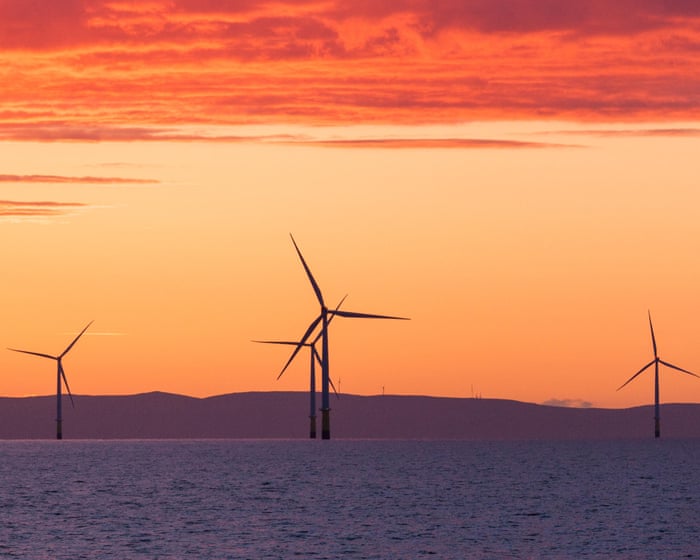
Burnham lauds £12bn offshore wind investment as he prepares for climate summit
Package for plan off Norfolk coast revealed as government tries to calm critics after approving Jackdaw gasfield UK politics live – latest updates…
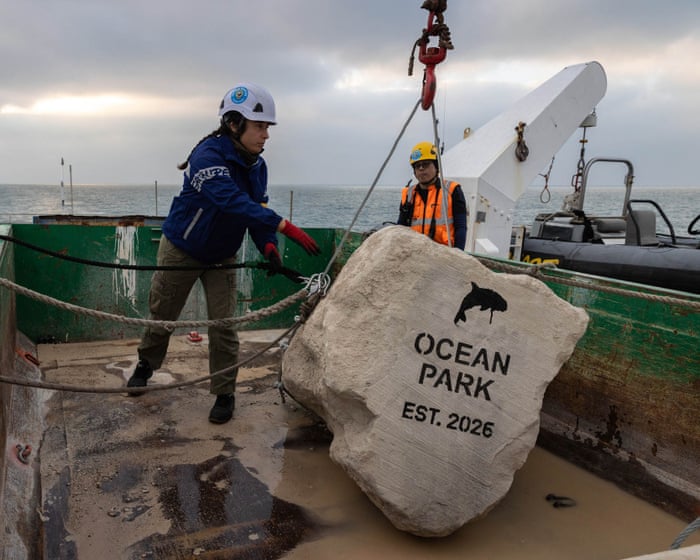
Greenpeace drops boulders in North Sea to block industrial trawlers
The Guardian reported that Greenpeace activists have created an underwater barrier in the North Sea by dropping large boulders.
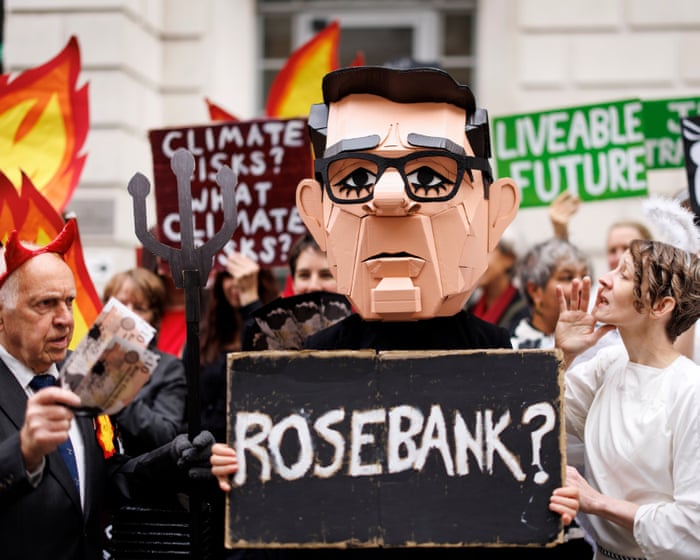
Burnham in danger of sleepwalking into climate disaster, say campaigners
Letter to PM argues series of wrong choices on North Sea oil, Heathrow, EVs and heat pumps will scupper net zero plans Andy Burnham will “sleepwalk”…
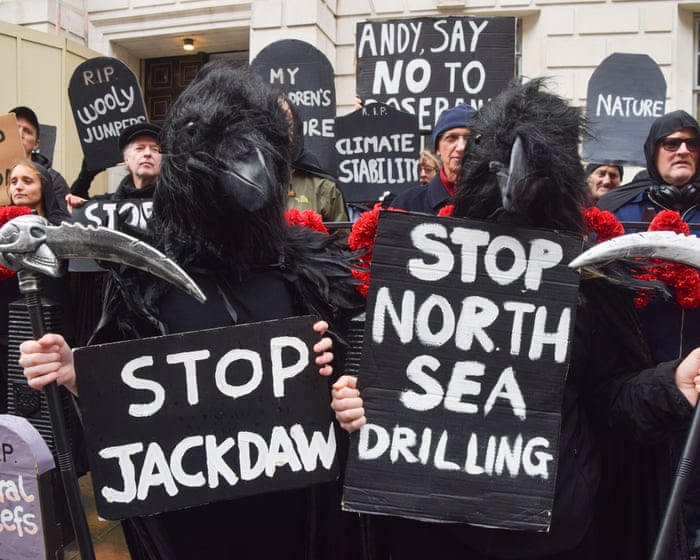
Andy Burnham vows UK will hit net zero target despite Jackdaw gasfield approval
Prime minister pledges his government’s commitment to address climate crisis saying ‘our determination is unwavering’ Andy Burnham: We will make the…
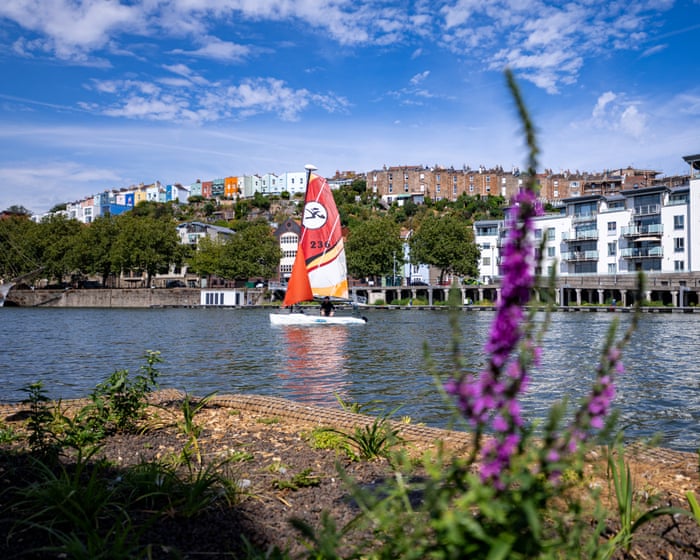
Bristol plans five‑year wetland push to cut flood risk
Bristol is set to become the UK’s first "wetland city" as part of a five‑year scheme to lower flood risk and broaden access to green and blue spaces.
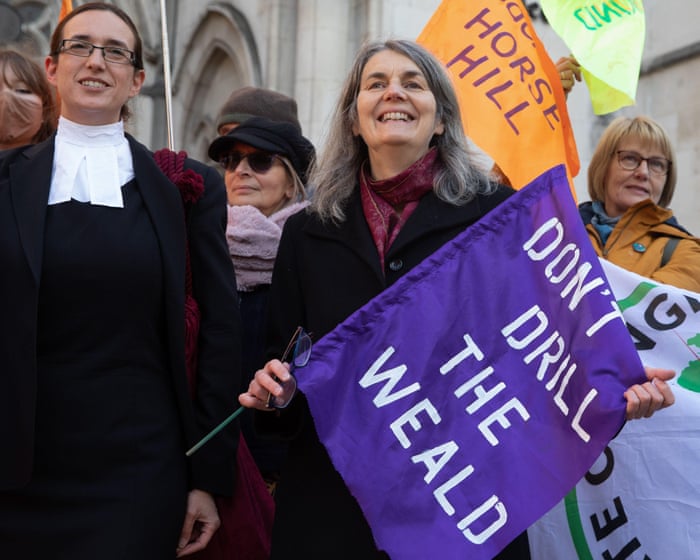
UK government weighs removal of cost‑cap protections for environmental challenges
The Guardian reported that the UK government is considering stripping back legal protections that limit the costs community groups face when…
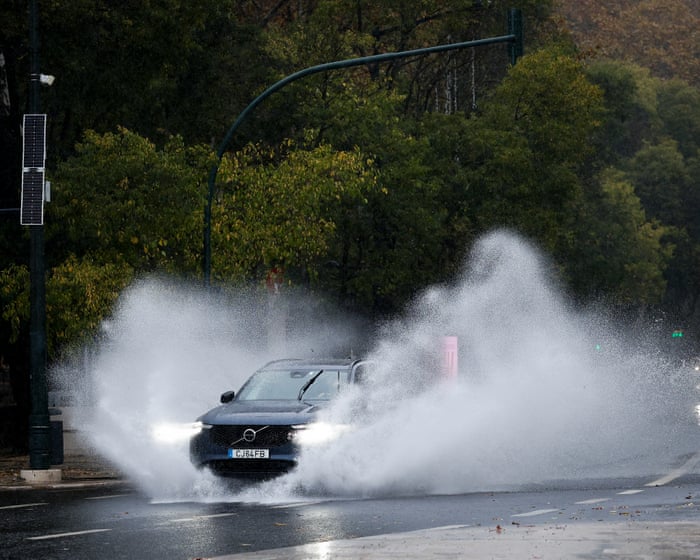
Storm Charles brings floods and flight cancellations across southern Europe
Heavy rain and strong winds from Storm Charles have caused widespread disruption in southern Europe and parts of Canada, according to The Guardian.

Study links children's wood‑burning exposure to traffic‑related pollution levels
The Guardian reported that a new study across six European towns and cities found children’s exposure to home wood‑burning could be as significant…