How citizen science is tracking changes in shorelines around the world
An app and a camera phone are all that’s needed at more than 200 spots to help researchers monitor coastal areas The shoreline changes with the weather.
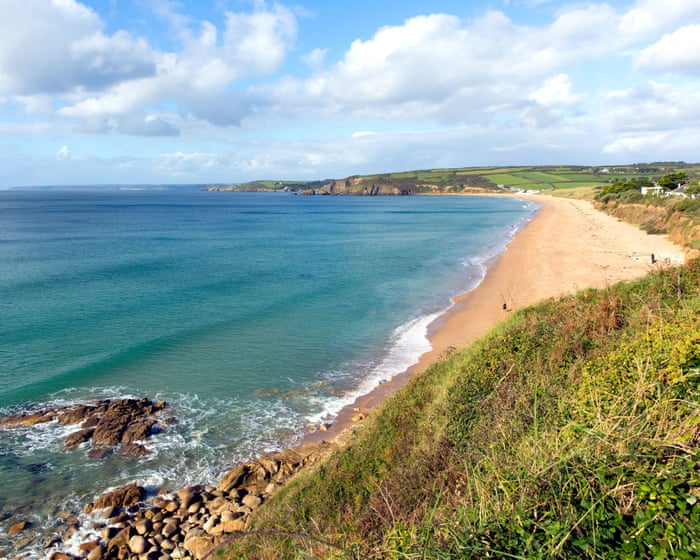
The Guardian reports that an app and a camera phone are all that’s needed at more than 200 spots to help researchers monitor coastal areas The shoreline changes with the weather.
Tracking these changes over time is a labour-intensive task, and an army of citizen scientists with camera phones is a great asset. The CoastSnap project started in Australia in 2017 and has spread to beaches worldwide.
This science story centres on Australia.
Why it matters
Research developments are often early steps — further studies typically determine how significant they prove to be.
Key details
- Location
- Australia · Oceania
- Reported by
- The Guardian
- First reported
- Key names
- CoastSnap
- Section
- Science
Sources
This is an independent summary. Read the full, original reporting from the publisher:
Read the full story at The GuardianSpotted an error? Request a correction · How this summary was produced
Related Stories

Mother sought advice from Alan Jones after broadcaster’s alleged indecent assault of her son, court hears
The divorced mother told the Downing Centre court she had developed a pattern of not trusting herself and she continued her correspondence with…
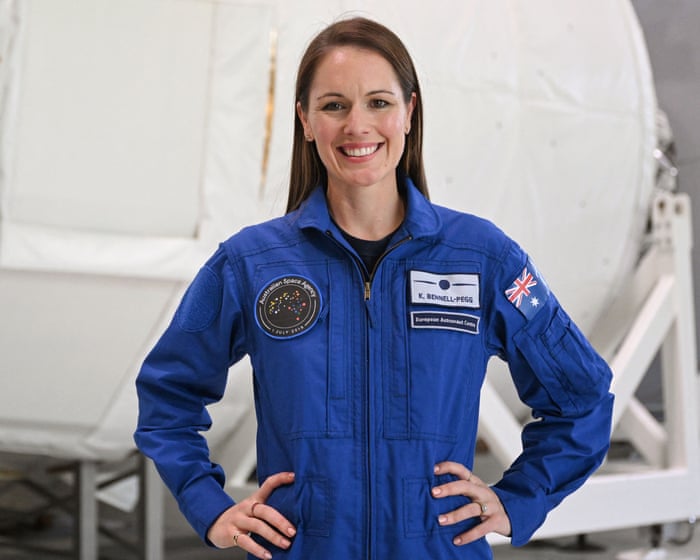
Australia offers astronaut Katherine Bennell-Pegg for space mission to International Space Station
The mission, slated for 2028, will mark the first time a qualified astronaut has flown to space under the Australian flag.

Rebel Wilson secures another Australian court win as co-producers of The Deb awarded just $10
NSW supreme court judge otherwise dismisses case brought by film’s co-producers and awards Wilson almost $400,000 after star countersued Australian…

South Africa crush Australia by an innings to level cricket Test series
South Africa storm back to crush Australia by an innings in the second Test and level the series 1-1 with one to play.

Embarrassing name? How we live with names we don't like
Names are central to our identity, so what happens when that name is a source of ridicule?

Blue Planet III: Moment octopus escapes death after hunt gone wrong
The sequence is part of the latest Blue Planet series from Sir David Attenborough.
40 years later, Chernobyl's nuclear fallout is not what scientists expected
Forty years after the Chornobyl disaster, tiny radioactive particles still linger in the soil, carrying a dangerous legacy.
Nearly 3,000 exploding stars challenge our understanding of the Universe
A massive analysis of 2,884 exploding stars has uncovered new evidence that dark energy, the mysterious force accelerating the universe’s expansion…