Hungary to publish names of communist-era informants in bid to restore trust
Hungary’s new government will on Wednesday disclose the identities of tens of thousands of former state informants who worked for the communist security…
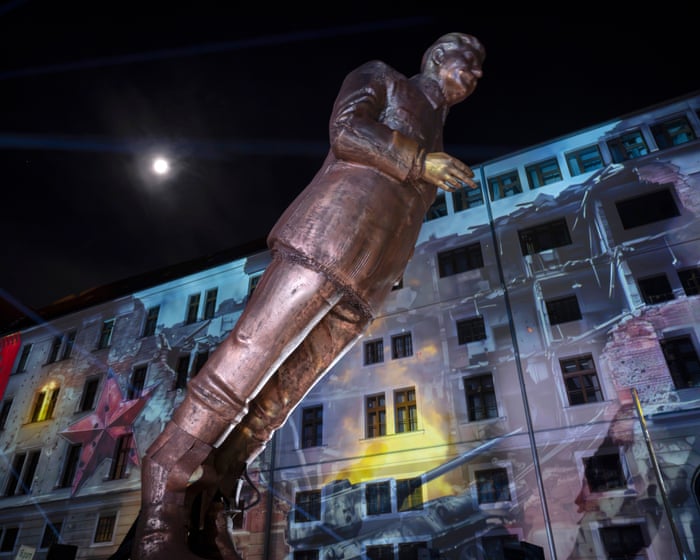
Hungary’s new government will on Wednesday disclose the identities of tens of thousands of former state informants who worked for the communist security police between 1945 and 1989, the Guardian reported. The move is presented as an effort to confront the country’s authoritarian past and rebuild public confidence in institutions.
During the communist era, security services relied on a vast network of informants to monitor society and suppress dissent. The Guardian noted that many were forced or blackmailed into reporting on neighbours, friends, colleagues and even family members, while others were attracted by promises of material or personal advantages.
By making the files public, officials hope to provide transparency about the mechanisms of repression and to allow individuals to learn whether they were monitored or betrayed by acquaintances. The publication is expected to spark public debate about historical accountability and the lingering impact of the surveillance state.
Why it matters
Revealing the informants’ names aims to address historical injustices and restore confidence in democratic institutions.
Key details
- Location
- Hungary · Europe
- Reported by
- The Guardian
- First reported
- Section
- World
- Figure cited
- From 1945 to 1989, Hungary’s communist state-security services relied on an extensive network of informants to monitor society and suppress dissent. (The Guardian)
Sources
This is an independent summary. Read the full, original reporting from the publisher:
- The Guardian‘Traitors in every family’: Hungary to unmask communist-era informants and confront past
Spotted an error? Request a correction · How this summary was produced
Related Stories

How the downfall of Serbia's Vučiċ mirrored that of Hungary's Orbán
Defeat for Serbia's Aleksandar Vučiċ in last weekend's vote was a carbon copy of Viktor Orbán's fall in Hungary.

Serbia wakes up to new reality after student-led movement ousts Vučić – Europe live
Hopes raised for a reset in relations with EU and other partners following the defeat of authoritarian president Serbian leader ousted by student…
Heat killed ‘staggering’ 50,000 people in Europe’s cities this summer, scientists warn
People succumbed to heat at highest rates in Malta, Italy and Hungary, with health issues, loneliness and poverty exacerbating toll Heat killed a…

‘It feels like the light is pushing the darkness apart’: Gellért Gombai’s best phone picture
The photographer was holidaying with his family when two shadows became a plaything for his young son Gellért Gombai, his wife and two children…

Domestic violence survivor says she lives in terror after ex‑partner released without tracker
A woman who survived a violent assault by her former partner says she is "living in terror" because the man has not been fitted with an electronic…

Iran killed her teenage daughter - now she is facing up to the regime
Samira's 16-year-old daughter Sevda was shot dead as they took part in mass protests in January.

China state broadcaster pulls La Liga matches following Mbappé joke
China Media Group, which acknowledged Mbappé's apology, has not said how long the blackout will last.

Muhammad Ali’s daughter and grandson endorse El-Sayed
Daughter of the late champion boxer Muhammad Ali, and her son, have endorsed Abdul El-Sayed’s runs for the US Senate.