Quantum error correction goes well beyond breakeven
Running complicated algorithms on quantum computing hardware is going to require the use of logical qubits, where collections of hardware qubits are linked…
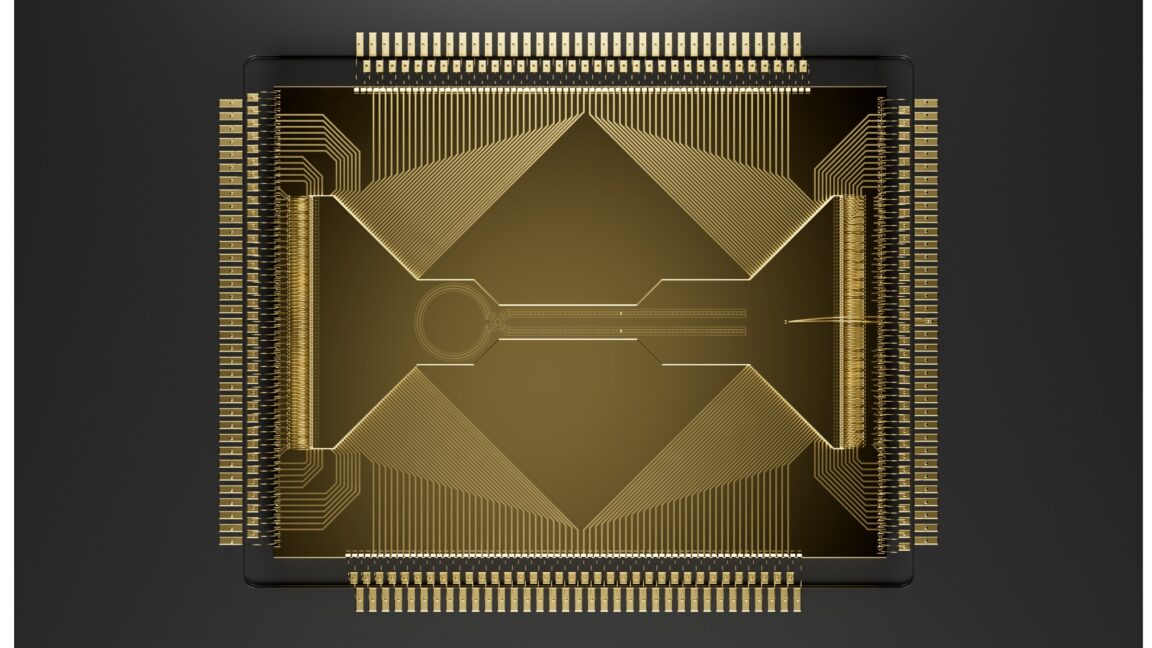
Ars Technica reports: Running complicated algorithms on quantum computing hardware is going to require the use of logical qubits, where collections of hardware qubits are linked together in ways that allow errors to be detected and corrected.
In general, the more hardware qubits you dedicate to each logical qubit, the better the chances are of identifying errors. If the hardware error rate is too high, then growing the logical qubit will only make matters worse.…
This science story centres on the United States.
Why it matters
Research developments are often early steps — further studies typically determine how significant they prove to be.
Key details
- Location
- United States · Americas
- Reported by
- Ars Technica
- First reported
- Section
- Science
Sources
This is an independent summary. Read the full, original reporting from the publisher:
Read the full story at Ars TechnicaSpotted an error? Request a correction · How this summary was produced
Related Stories

Scientists reach the ultimate quantum limit on a surface
Scientists have achieved a quantum breakthrough by creating an ultra-clean surface where individual molecules can maintain their delicate quantum…
Physicists create a bizarre new quantum state called a fractional fermi sea
Physicists have discovered a strange new state of quantum matter in which ultracold atoms defy familiar organizational rules, forming a highly…
A quantum highway just one atom high could transform superconductors
Scientists discovered that atomic steps just one atom high can guide quantum vortices through superconductors, making them move more than 1,000…
Scientists recreate a bizarre quantum effect that stops a particle cold
Oxford physicists have recreated a bizarre quantum effect in which a particle responds to a magnetic field without ever traveling through it.

Does anyone actually want to win the medium-lift race in the United States?
It has been 13 years since the debut of a new medium-lift rocket in the United States, the Antares vehicle developed by Orbital Sciences Corporation.
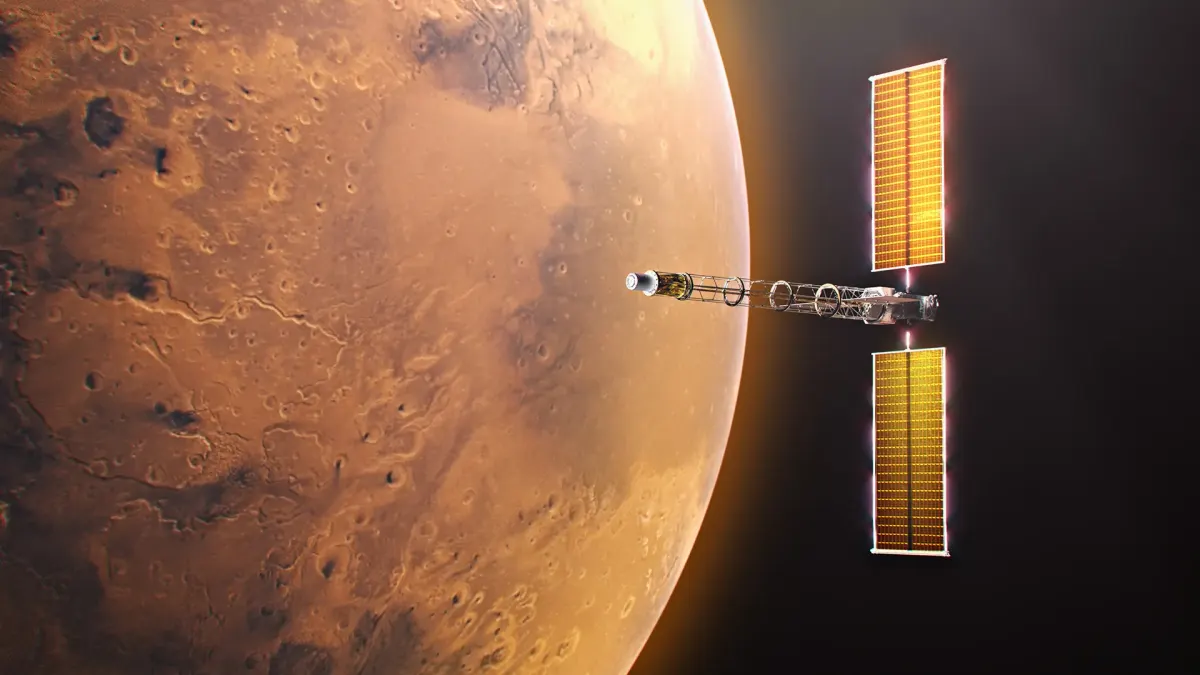
NASA’s SR-1 Freedom Advances with Progress on Nuclear Power Module
Destined for Mars and beyond, NASA’s Space Reactor-1 (SR-1) Freedom will be humanity’s first fission-powered spacecraft to travel outside Earth’s…
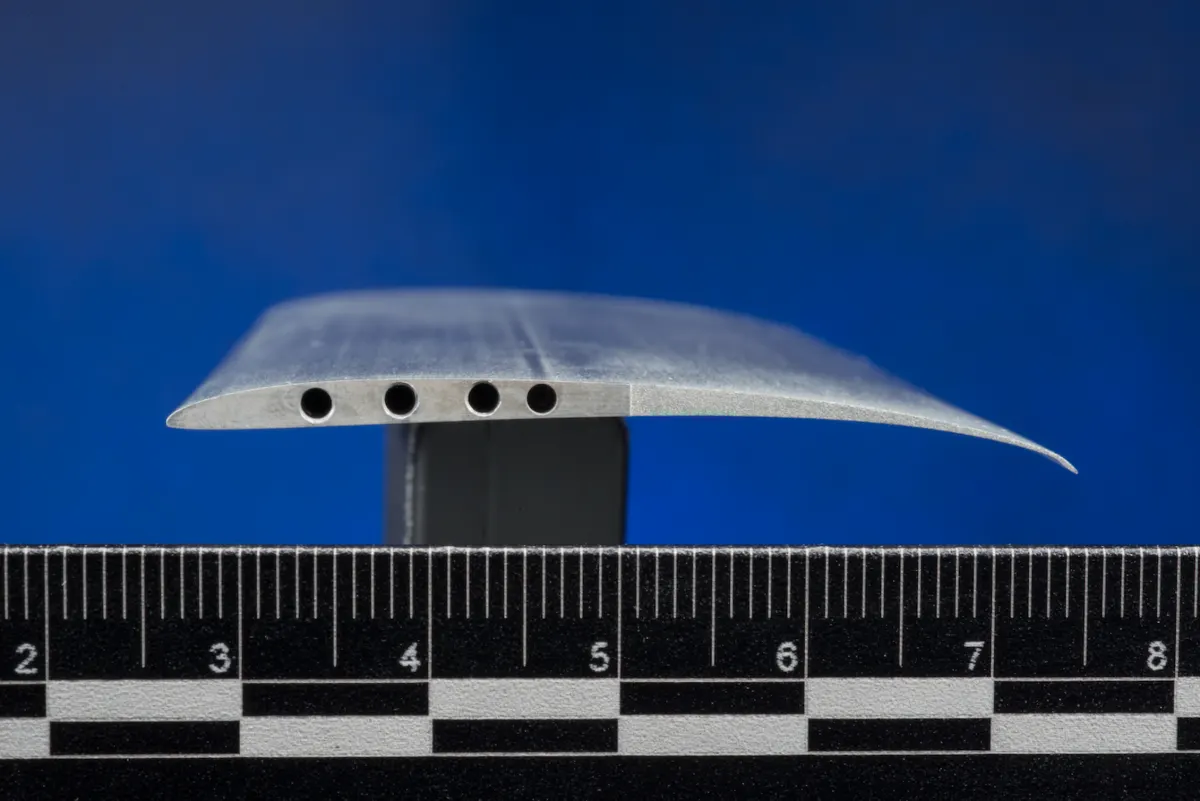
NASA Experimental Mars Helicopter Blade Designs Target Longer Flights
NASA researchers are developing the future of flight on Mars, laying the groundwork for helicopters with the ability to fly higher and farther while…

NASA Provides Progress Update on Moon Base Rovers
As NASA works to build the Moon Base, crewed and robotic lunar rovers will play a crucial role during early development through technology…