Research links Bank of England directors to post‑abolition Cuban forced labour
New research reported by The Guardian says British businesses run by long‑serving directors of the Bank of England earned profits from "brutal" enslavement…
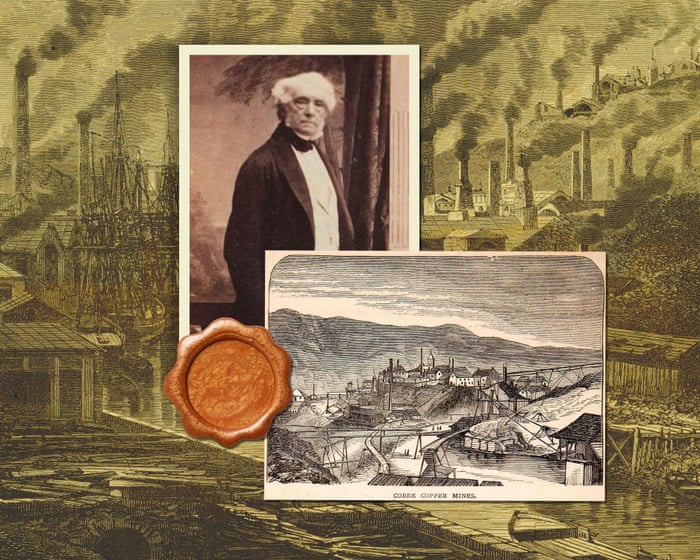
New research reported by The Guardian says British businesses run by long‑serving directors of the Bank of England earned profits from "brutal" enslavement in Cuba for decades after the British empire ended slavery. The study traces wealth from the slave trade into Britain’s financial system and highlights the role of the British‑led Cobre Mining Company in industrialising Manchester through copper supplies. Historian Chris Evans found that men and boys were held in prison‑like conditions at the El Cobre copper ore mine near Santiago de Cuba, where the ore was shipped to British firms during the Industrial Revolution. The findings suggest that the copper extracted by enslaved workers underpinned British industrial growth and enriched senior financial officials long after formal abolition.
Why it matters
The report shows how profits from forced labour continued to shape Britain’s economy after abolition, linking historic exploitation to modern financial institutions.
Key details
- Location
- United Kingdom · Europe
- Reported by
- The Guardian
- First reported
- Key names
- Bank of England, Santiago de Cuba, British-led Cobre Mining Company, Cuba
- Section
- Business
Sources
This is an independent summary. Read the full, original reporting from the publisher:
Read the full story at The GuardianSpotted an error? Request a correction · How this summary was produced
Related Stories

Manchester to host ‘See My World’ festival celebrating African diaspora creativity
The Guardian reported that the upcoming event See My World will showcase pan‑African thought through film, poetry and dance.
Bank of England likely to raise rates again as inflation outlook worsens
The Guardian reported that a further Bank of England rate hike appears imminent, with households set to bear the cost.
Bank of England likely to raise rates again, chief economist says
The Bank of England is expected to lift interest rates next month and again in early 2027, its chief economist told the Guardian as the central bank…

Stevie Wonder makes surprise late‑night visit to Stalybridge restaurant and leaves £1,000 tip
Stevie Wonder surprised staff at a Stalybridge eatery with a late‑night appearance and a £1,000 tip, the Guardian reported.

MP criticises Guernsey and Jersey company ownership register plans
Sir Andrew Mitchell says access should be easier for people tackling financial crime.

Italian jeweller and businessman Paolo Bulgari dies aged 89
In a statement to Italian media, his family remember him as "the greatest jeweller of our time".

Employers face pressure to give interview feedback to all candidates
The BBC reported that many job seekers say they rarely hear back after applying for positions.

EU and Indonesia seal trade pact to cut tariffs and boost investment
The European Union and Indonesia have signed a trade agreement that will affect roughly 730 million people, DW reported.