The humble one-celled alga that helped scientists win the Nobel prize
Chlamydomonas and its light-sensing protein help show how memories, feelings and behaviour form in our brains A tiny alga has helped show how memories…
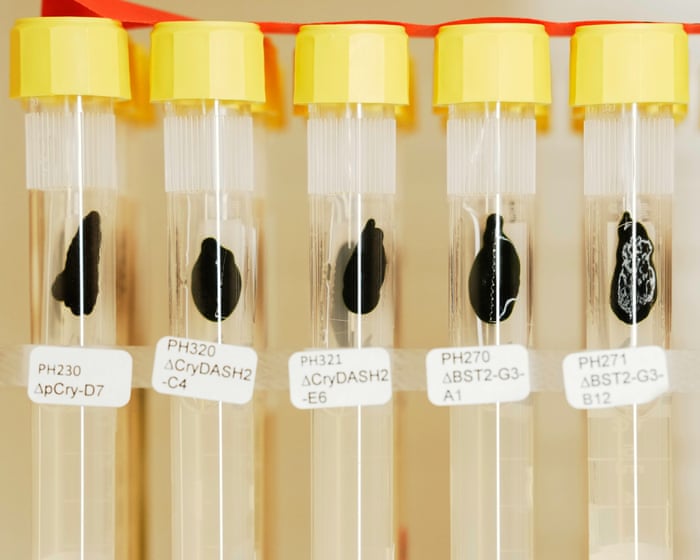
The Guardian reports: Chlamydomonas and its light-sensing protein help show how memories, feelings and behaviour form in our brains A tiny alga has helped show how memories, feelings and behaviour form in our brains, in research by three scientists awarded the Nobel prize for physiology or medicine this month.
Chlamydomonas is a one-celled alga that swims towards light using a light-sensing protein called channelrhodopsin, remarkably similar to the rhodopsin in our eyes.
This science story centres on the United Kingdom.
Why it matters
Scientific work like this adds to what we know and can inform future research, policy and technology.
Key details
- Location
- United Kingdom · Europe
- Reported by
- The Guardian
- First reported
- Key names
- Nobel
- Section
- Science
Sources
This is an independent summary. Read the full, original reporting from the publisher:
Read the full story at The GuardianSpotted an error? Request a correction · How this summary was produced
Related Stories

The F1 pit stop that helped save lives
How an F1 pit stop inspired changes to hospital care that have helped save lives ever since.
Gene therapy can partly restore sight in blind people, researchers reveal
Optogenetic therapy, based on Nobel prize-winning science, involves turning nerve cells on and off using light A type of gene therapy based on Nobel…

What is happening to UK prices?
UK inflation rose in September, pushed up by higher petrol and diesel prices.
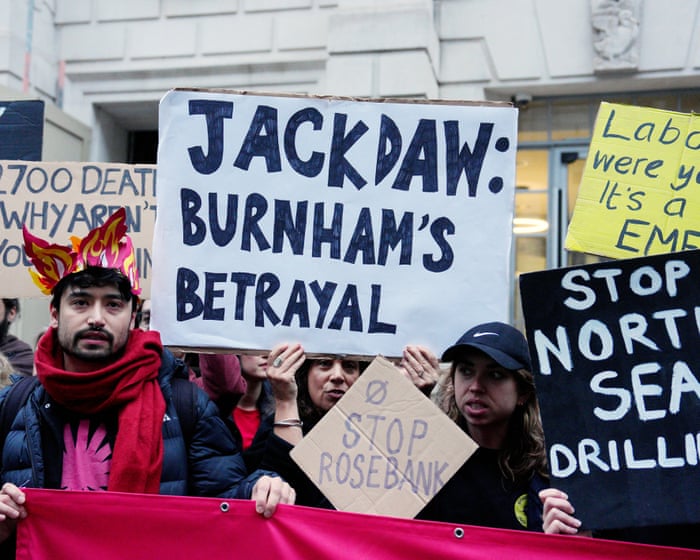
Climate campaigners condemn ‘maddening’ decision to approve Jackdaw gasfield
Critics say move will jeopardise climate targets, fail to cut cost of living and distract from need to decarbonise energy UK politics live – latest…
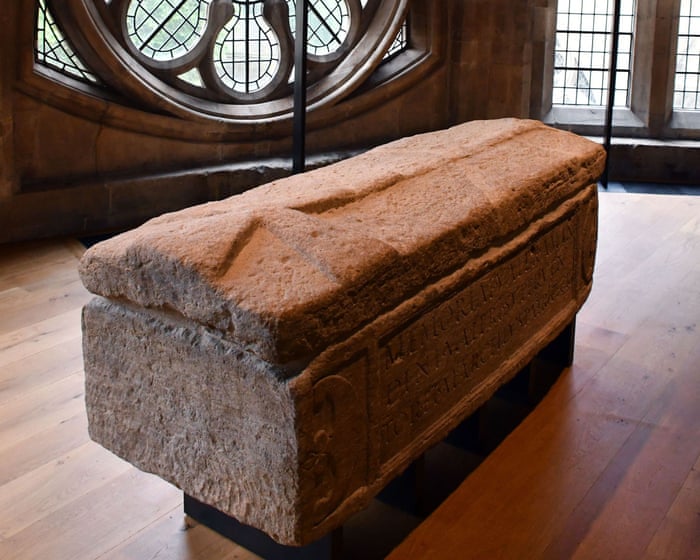
Mystery of Roman sarcophagus unearthed at Westminster Abbey solved at last, expert says
Archaeologist says skeleton inside coffin inscribed to Valerius Amandinus is likely to be remains of 11th-century abbot It has all the ingredients…

Giant tunnel proposed to clean up Windermere's sewage problem
The plan would eliminate sewage spills into Windermere, blamed for turning the water green.
Bad apple effect: study shows how people are influenced by rule-breaking of others
Research shows how seeing bigger violations by others can lead people to increase their own rule-breaking From politicians taking bribes to bullying…
Does anyone actually want to win the medium-lift race in the United States?
It has been 13 years since the debut of a new medium-lift rocket in the United States, the Antares vehicle developed by Orbital Sciences Corporation.