A Carcinogenic Pesticide ‘No One Needs’ Is Found in Dangerous Quantities in a Quarter of US Rivers
From our collaborating partner “Living on Earth,” public radio’s environmental news magazine, an interview by producer Aynsley O’Neill with Nathan Donley…

Inside Climate News reports: From our collaborating partner “Living on Earth,” public radio’s environmental news magazine, an interview by producer Aynsley O’Neill with Nathan Donley from the Center for Biological Diversity.
Atrazine is the second-most widely used weed killer in the U.S. after glyphosate, which you might know as Roundup. Much like glyphosate, atrazine can disrupt hormones and has.
This environment story centres on the United States. Names and organisations mentioned in the coverage include Carcinogenic Pesticide, Needs’ Is and Dangerous Quantities.
Why it matters
Developments affecting the environment are closely tied to public health, economies and how communities prepare for change.
Key details
- Location
- United States · Americas
- Reported by
- Inside Climate News
- First reported
- Key names
- Carcinogenic Pesticide, Needs’ Is, Dangerous Quantities, Quarter of US Rivers
- Section
- Environment
Sources
This is an independent summary. Read the full, original reporting from the publisher:
Read the full story at Inside Climate NewsSpotted an error? Request a correction · How this summary was produced
Related Stories

Artemis II Heat Shield After Splashdown
Shortly after NASA’s Artemis II mission splashed down on April 10, 2026, U.S. Navy divers captured underwater imagery of the Orion spacecraft’s heat…

Time is a-changin’: say goodbye to the leap second
On Thursday, the International Bureau of Weights and Measures (BIPM) voted to scrap the leap second, an ad hoc time adjustment that's occasionally…

Power Up: Roll Out Solar Arrays Boost Space Station Power Supply
From the International Space Station’s unique position 250 miles above Earth, the Sun is a vital source of energy.

Rigorous Analysis Confirms NASA’s Artemis II Heat Shield Performance
NASA’s Artemis II mission sent four astronauts around the Moon and brought them safely back to Earth, laying a foundation for crewed flights to the…
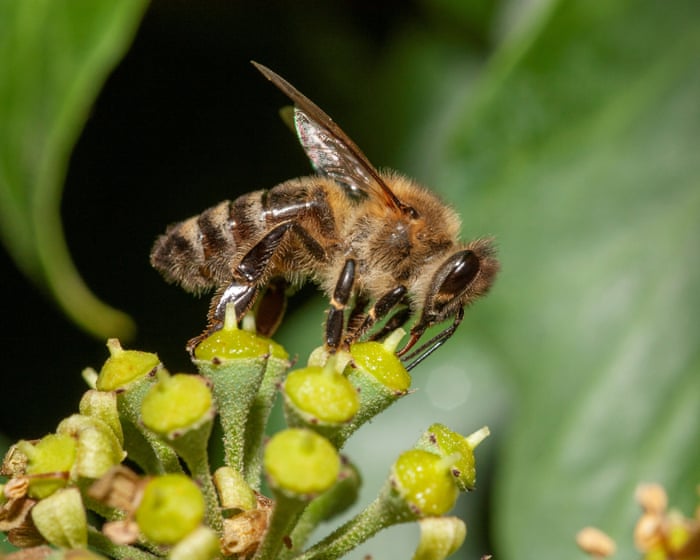
Honeybees are barging aside wild pollinators in hunt for pollen and nectar, study finds
The study, by researchers from Anglia Ruskin University, found that areas where there were higher concentrations of honeybees had fewer wild…

Squash down: smaller pumpkins expected this Halloween after drought in England
But this year there is likely to be a shortage due to drought, experts have warned, with the squashes much smaller than usual.
How the Climate Crisis Fueled the Youth Protests Roiling France
PARIS—By the time Cléo made it to Greek class, she had gone completely pale.
Groundwater Cleanup Set to Begin This Fall at North Florida Site, Decades After Superfund Designation
Plenty of storms have hit Pensacola, Florida’s westernmost city, in the 450 years since its founding, but among the worst has been the storm over…