NASA Satellites Observe Historic 2026 El Niño
El Niño is a natural climate pattern that emerges roughly every two to seven years marked by warmer-than-normal water temperatures in parts of the…

NASA reports: El Niño is a natural climate pattern that emerges roughly every two to seven years marked by warmer-than-normal water temperatures in parts of the equatorial Pacific.
A phenomenon rarer than a solar eclipse and more powerful than any single storm system is unfolding this fall, and NASA is tracking it closely.
This science story centres on the United States. Names and organisations mentioned in the coverage include NASA Satellites Observe Historic, El Niño and Pacific.
Why it matters
Scientific work like this adds to what we know and can inform future research, policy and technology.
Key details
- Location
- United States · Americas
- Reported by
- NASA
- First reported
- Key names
- NASA Satellites Observe Historic, El Niño, Pacific
- Section
- Science
Sources
This is an independent summary. Read the full, original reporting from the publisher:
Read the full story at NASASpotted an error? Request a correction · How this summary was produced
Related Stories
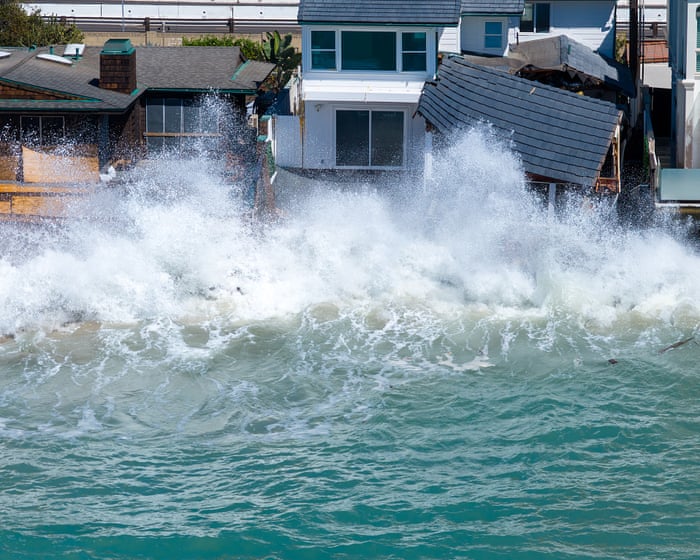
‘Like an earthquake’: El Niño is coming for California
Marin county was one of many areas up and down the California coast affected by high tides last week, as parts of the Pacific swelled with excess…
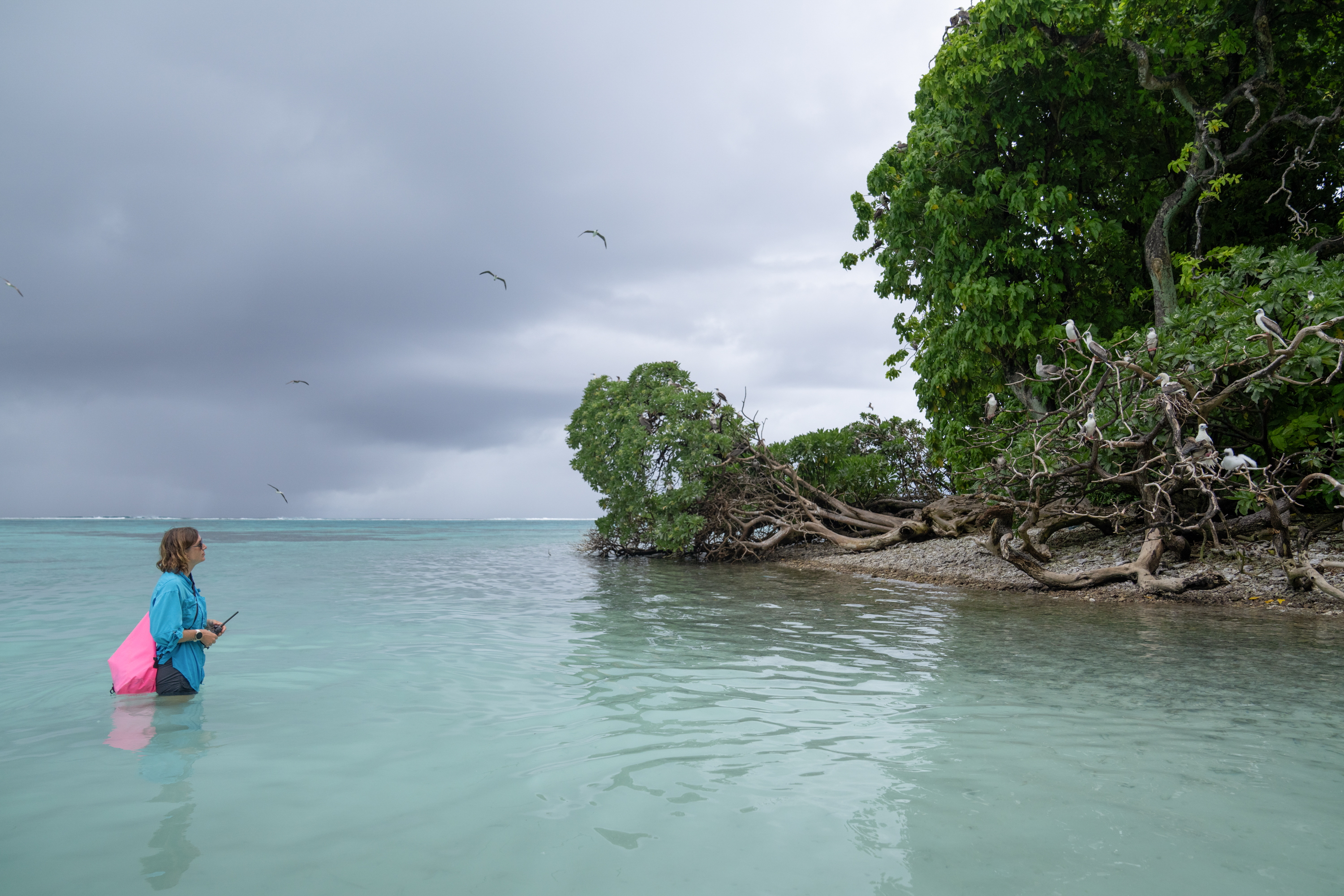
One way to protect coral reefs? Bring back seabirds
But on a remote Pacific island, scientists have found that reefs can get help from a surprising ally: seabirds.

Is it a plane or a tree? Amelia Earhart expedition aims to solve mystery of disappearance
Researchers will head to remote Pacific atoll, but sceptics say satellite images unlikely to be of her aircraft A team of US researchers is…
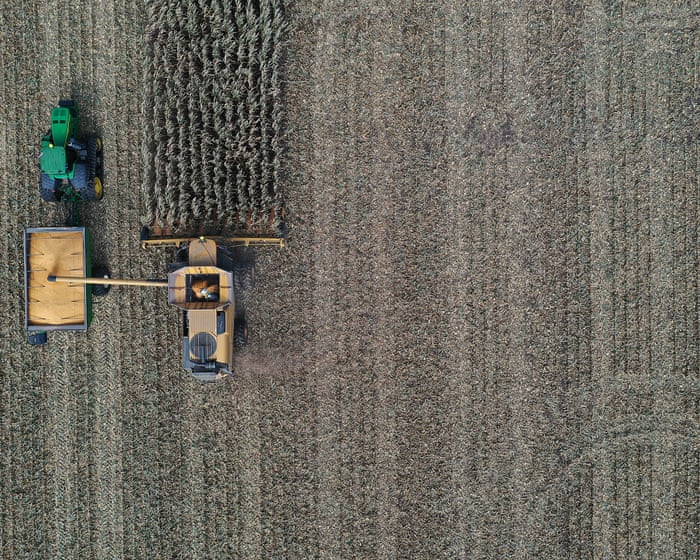
A super el Niño threatens our food system. Here’s how farms can prepare | Liz Carlisle
Congress must act to protect these practices As forecasters warn that this year’s El Niño could become the strongest on record, concerns are growing…

What did the Liberty Bell sound like? Science is on the case
The Liberty Bell, with its famous crack, hasn't been rung in 180 years, but that hasn't stopped scientists from pondering what the bell might have…
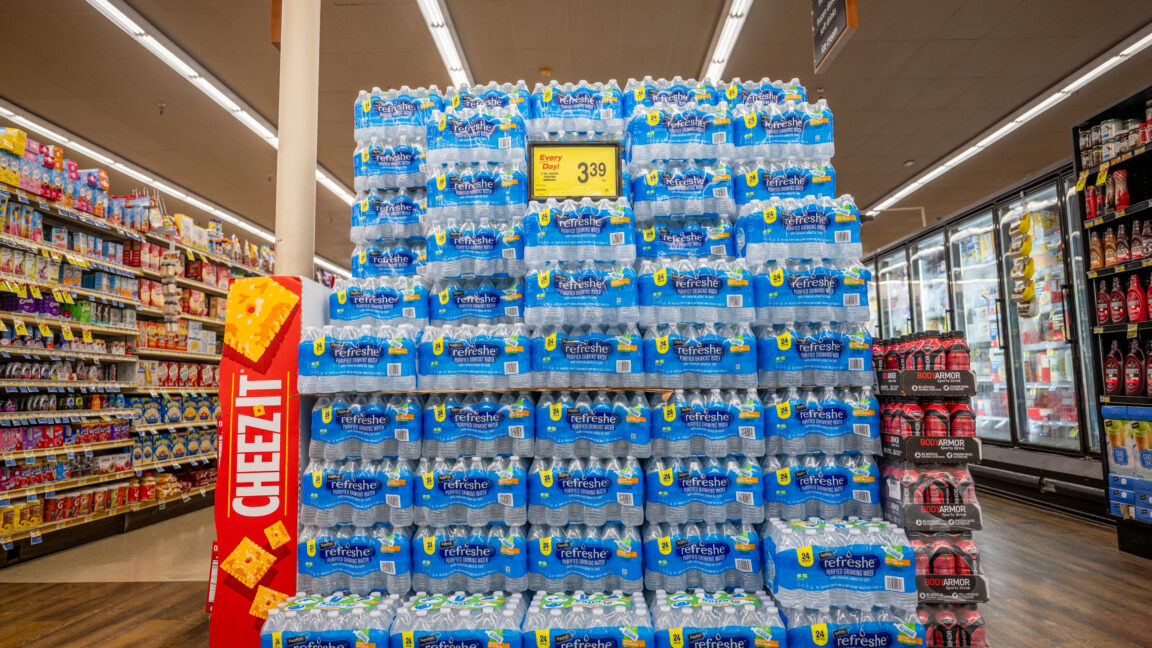
Microplastics in water aren’t inert and make damaging chemicals on their own
“Whether microplastics can directly cause human disease is still being researched,” said Wei Min, a chemist at Columbia University.
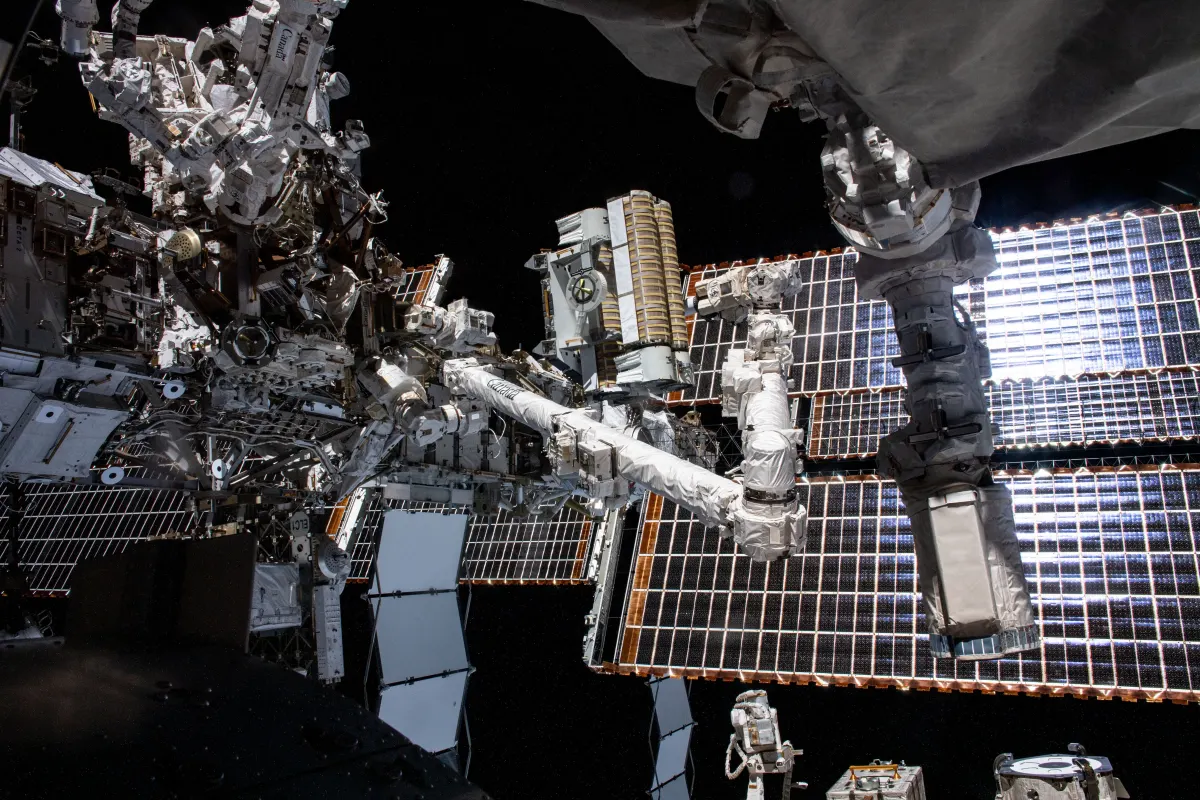
Power Up: Roll Out Solar Arrays Boost Space Station Power Supply
From the International Space Station’s unique position 250 miles above Earth, the Sun is a vital source of energy.
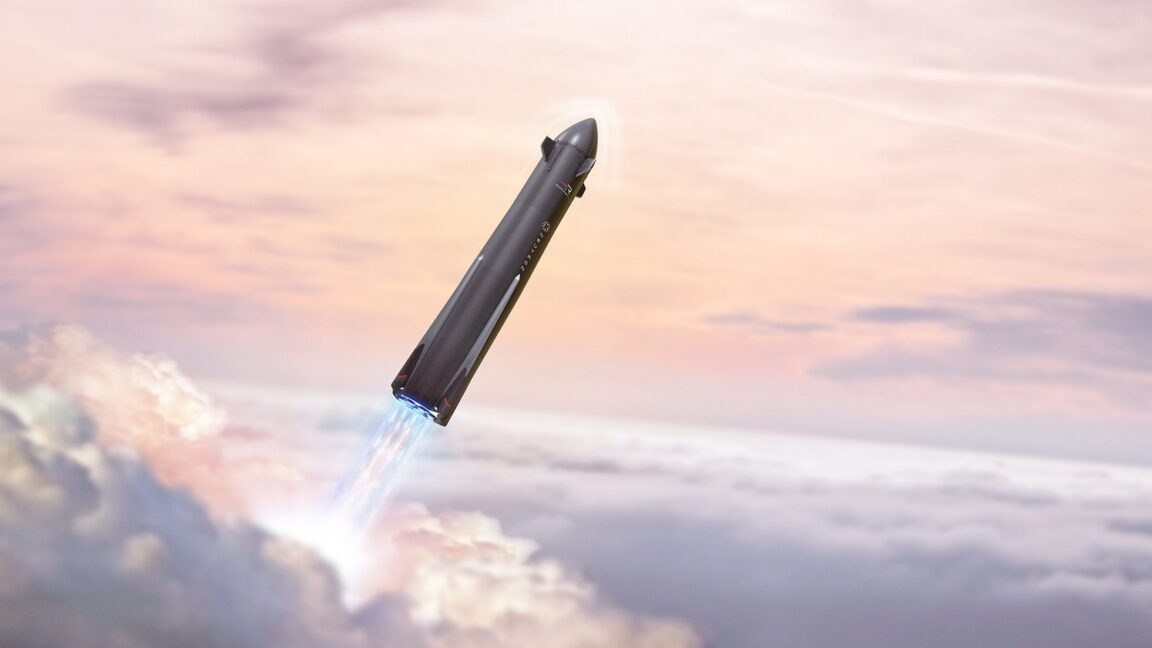
Rocket Lab announces another delay for its medium-lift Neutron rocket
Rocket Lab announced Wednesday that its Neutron launch vehicle won't fly until 2027, citing an issue discovered during manufacturing of the rocket's…