Microplastics in water aren’t inert and make damaging chemicals on their own
“Whether microplastics can directly cause human disease is still being researched,” said Wei Min, a chemist at Columbia University.

Ars Technica reports: “Whether microplastics can directly cause human disease is still being researched,” said Wei Min, a chemist at Columbia University.
One reason plastics are used so often is that they’re chemically inert, meaning bags, food containers, and cups don't react with what we put in them. Yet they can still break down into microplastics, which turn up in drinking water, human blood, arteries, and brains.
This science story centres on the United States. Names and organisations mentioned in the coverage include Wei Min, Columbia University and Nature.
Why it matters
Scientific work like this adds to what we know and can inform future research, policy and technology.
Key details
- Location
- United States · Americas
- Reported by
- Ars Technica
- First reported
- Key names
- Wei Min, Columbia University, Nature, Min
- Section
- Science
Sources
This is an independent summary. Read the full, original reporting from the publisher:
Read the full story at Ars TechnicaSpotted an error? Request a correction · How this summary was produced
Related Stories

Tents, night-vision goggles and bear tracking kits: America’s first nature library opens
We asked five of the first visitors what they thought of it Mark Fink knows exactly why he opened the first public nature library in the US.

Halpin home run helps Guardians take 2-1 ALCS lead over Rays
Petey Halpin hit a go-ahead, two-run homer as the Guardians beat the Rays 3-2 in Game 3 on Thursday to take a 2-1 lead in the ALCS.

What would a 24-team College Football Playoff bracket look like?
Using the CFP committee's final ranking from the 2025 season, here's a what the new format would look like.
Maxey: Healthy Embiid 'changes everything' for Sixers
76ers guard Tyrese Maxey said Thursday that having a healthy Joel Embiid "changes everything" for the Sixers.
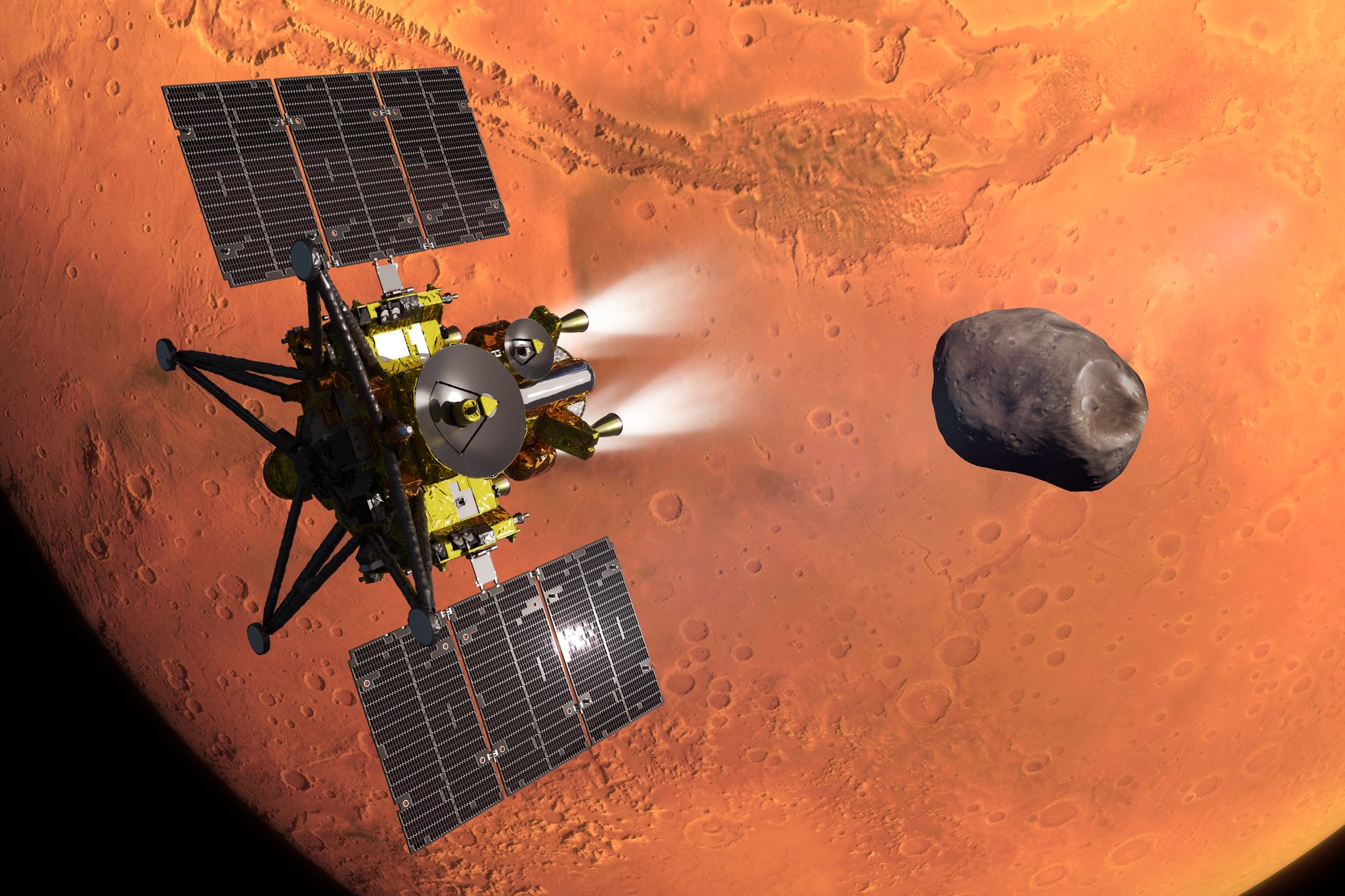
NASA to Help Unlock Mysteries of Mars’ Moons in Upcoming Mission
NASA is playing an important role in JAXA’s (Japan Aerospace Exploration Agency) MMX (Martian Moons eXploration) mission, to advance our…

What did the Liberty Bell sound like? Science is on the case
The Liberty Bell, with its famous crack, hasn't been rung in 180 years, but that hasn't stopped scientists from pondering what the bell might have…

NASA Satellites Observe Historic 2026 El Niño
El Niño is a natural climate pattern that emerges roughly every two to seven years marked by warmer-than-normal water temperatures in parts of the…
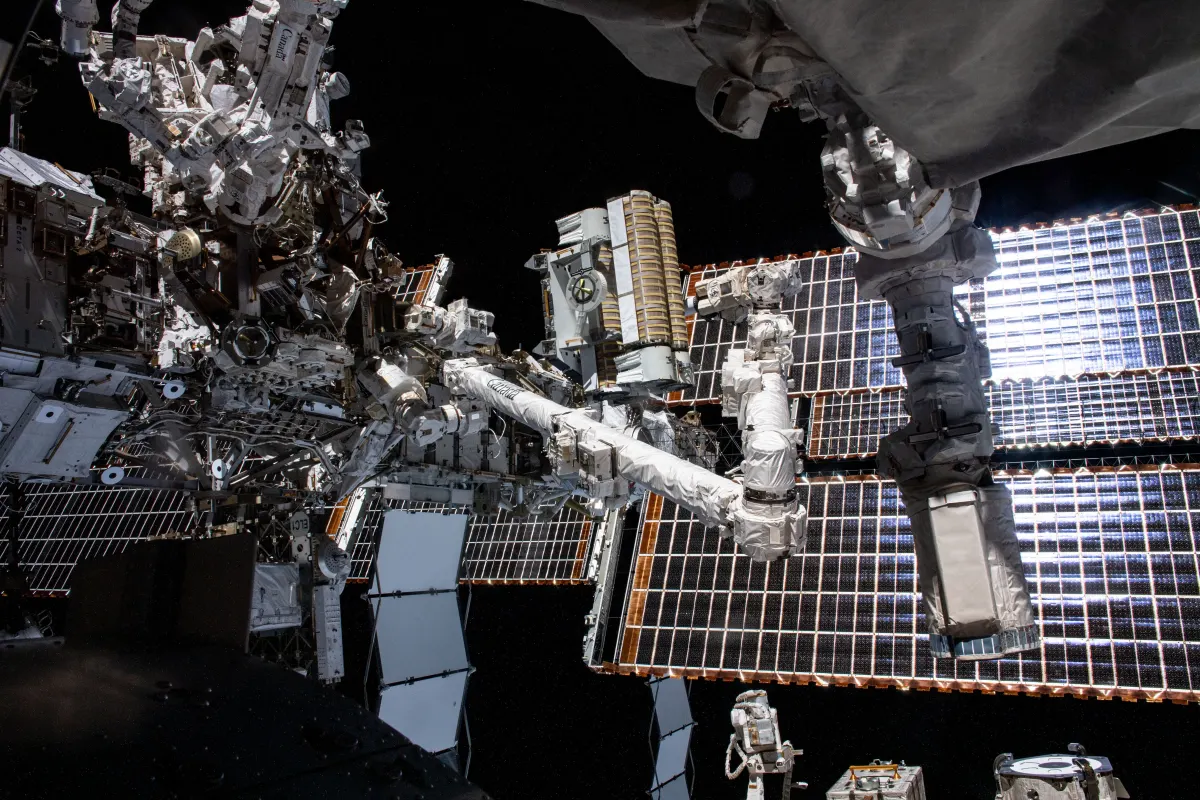
Power Up: Roll Out Solar Arrays Boost Space Station Power Supply
From the International Space Station’s unique position 250 miles above Earth, the Sun is a vital source of energy.