US intelligence says former Nvidia executive recruited by Beijing
The Guardian reported that U.S. intelligence believes a former tech executive, Alice Huang, was recruited by Chinese intelligence services to act as an…
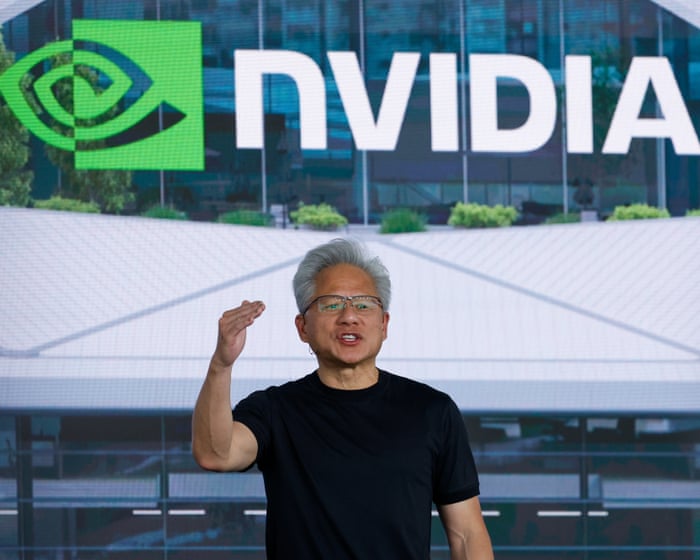
The Guardian reported that U.S. intelligence believes a former tech executive, Alice Huang, was recruited by Chinese intelligence services to act as an asset for Beijing. Huang, described as a mysterious Shanghai executive, had a romantic relationship with Jensen Huang, the founder of Nvidia, one of the United States' most powerful technology companies. The outlet noted that Alice Huang is not related to Jensen Huang, despite the similarity of their surnames.
According to the newsletter, the allegation that Huang was recruited raises questions about the security of the artificial‑intelligence sector and about former President Trump’s close ties to Nvidia’s chief. The report observes that espionage is typically a secretive activity, yet the case of Alice Huang has become highly visible. The Guardian said the story offers insight into the effectiveness of Chinese espionage operations.
The article does not provide further details about the nature of the alleged spying or any specific actions taken by Huang on behalf of Beijing. It simply outlines what is known from the intelligence assessment and notes the broader implications for the tech industry’s vulnerability to foreign intelligence recruitment.
The Guardian’s briefing also placed the story alongside unrelated news items, but the focus remained on the potential breach of trust within a leading AI firm and the possible impact on U.S. national security.
The report concludes that the case of Alice Huang illustrates how personal relationships can intersect with geopolitical intelligence concerns, prompting scrutiny of both corporate and political connections in the technology sphere.
Why it matters
The allegations highlight potential vulnerabilities in the AI industry and suggest that personal ties to high‑profile tech leaders may be exploited for foreign intelligence gathering.
Key details
- Location
- United States · Americas
- Reported by
- The Guardian
- First reported
- Key names
- Nvidia, Alice Huang, Beijing, AI
- Section
- Technology
Sources
This is an independent summary. Read the full, original reporting from the publisher:
Read the full story at The GuardianSpotted an error? Request a correction · How this summary was produced
Related Stories
Dollar drops to one‑month low after Democrats secure Senate and House
The Guardian reported that the U.S. dollar fell sharply on Wednesday after Democrats won control of both the Senate and the House in the midterm…

Nvidia's role as AI financier faces first big test as neoclouds take market hit
As Nvidia has gone from chipmaker to industry financier, some investors see the company taking on outsized risk tied to the AI buildout.

Trump is pushing a massive AI buildout. His own voters are wary of what comes with it
A new CNBC survey finds broad voter opposition to nearby AI data centers, creating a political challenge for Trump and Republicans ahead of the…
America by the numbers: How voters feel about the economy, inflation, AI and Trump
With the U.S. midterm elections looming, Americans are nearly as gloomy about the economy as they were when the nation was emerging from the pandemic.

Australian minister urges employers to give clear AI plans after Qantas and Canva cuts
The Guardian reported that workplace relations minister Amanda Rishworth has launched a best‑practice guide for AI adoption following recent job…
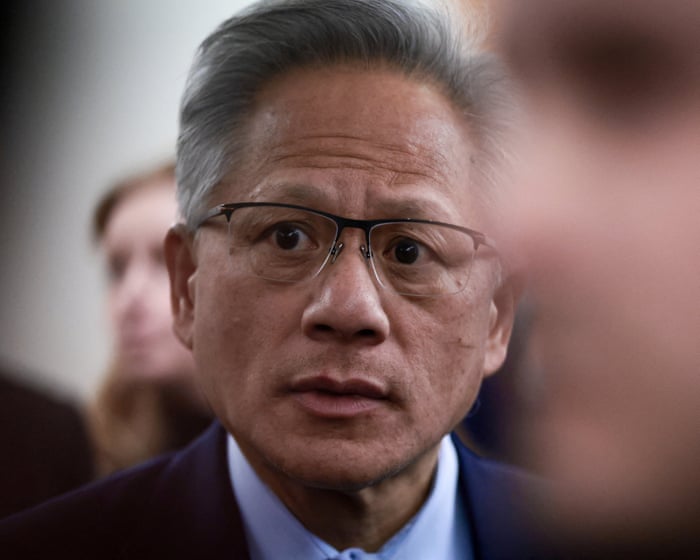
Nvidia board meets to discuss Jensen Huang’s future as shares fall 8%
The Guardian reported that Nvidia’s board is convening to decide whether CEO Jensen Huang will remain at the $4 trillion chipmaker.
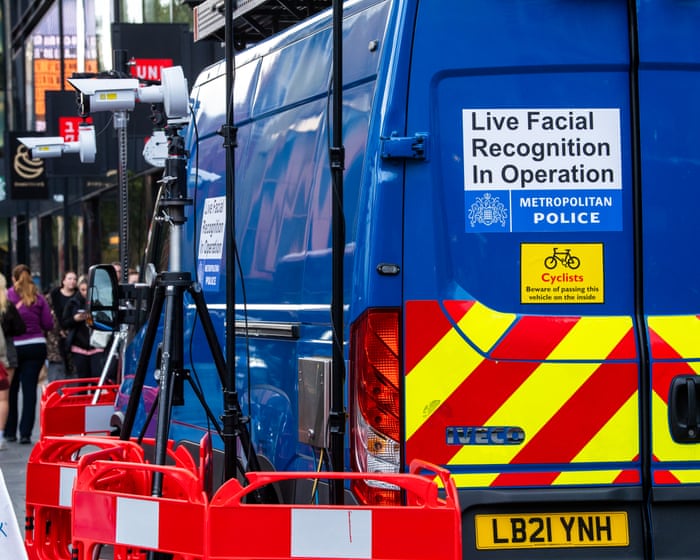
Police watchdog warns facial-recognition flaws could lead to wrongful arrests of minorities
The Guardian reported that a police watchdog’s official report says facial‑recognition errors put ethnic minorities at risk of wrongful arrest.…
Hacker claims sale of VCAA exam papers after website breach
The Guardian reported that the Victorian Curriculum and Assessment Authority’s (VCAA) website was breached during the state’s Year 12 exam period.