Archaeologist suggests British ruler who urged Roman invasion may have been a queen
The Guardian reported that an archaeologist has argued the British leader who convinced Emperor Claudius to launch the AD43 invasion was a queen, not a king.
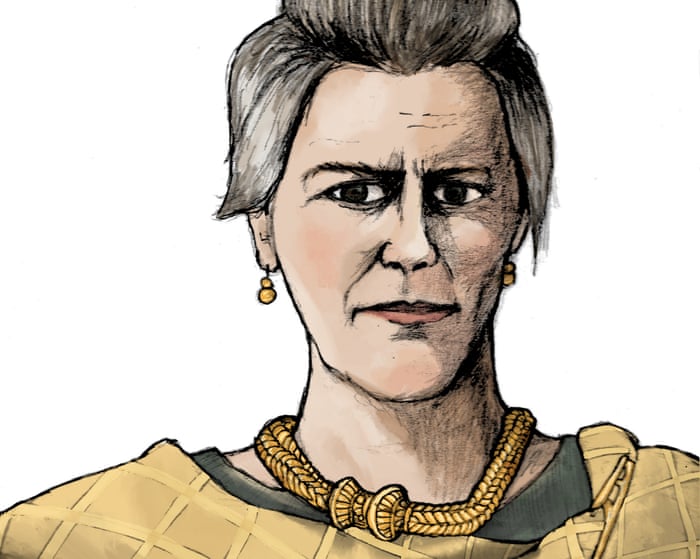
The Guardian reported that an archaeologist has argued the British leader who convinced Emperor Claudius to launch the AD43 invasion was a queen, not a king. Dr Miles Russell, director of archaeological fieldwork at Bournemouth University, put forward the controversial theory that Verica, traditionally described as a king, was in fact a woman. The claim relates to the moment when Roman troops under Claudius landed in Kent, an event that reshaped Britain’s early history. Russell said his conclusion could throw new light on Britain’s history, challenging long‑standing assumptions about the identity of the ruler who persuaded Rome to act. Historians have long linked Verica with the decision to invade, but the new interpretation suggests a different gender dynamic in the political negotiations of the period. The theory, if accepted, would revise the narrative of how the Roman conquest was prompted.
Why it matters
Recasting Verica as a queen would alter the understanding of early British leadership and the motives behind Rome’s AD43 invasion.
Key details
- Location
- United Kingdom · Europe
- Reported by
- The Guardian
- First reported
- Key names
- King Verica, Britain, Rome, British
- Section
- Science
Sources
This is an independent summary. Read the full, original reporting from the publisher:
Read the full story at The GuardianSpotted an error? Request a correction · How this summary was produced
Related Stories

British healthcare worker with Ebola to be evacuated from DRC to UK, document shows
Patient, who is in stable condition, is expected to arrive in Britain on Wednesday or Thursday A British healthcare worker infected with Ebola is…

Chancellor begins to deliver his first Budget
The chancellor begins his speech by calling it a Budget for the "working people of Britain, for British businesses big and small."

Cocaine-linked crimes on the rise in Britain as consumption surges
Exclusive: Wastewater analysis in England suggests people took roughly 2.5bn lines of drug in one year Ageing users and record deaths – the data…

John Healey pledges to use budget to harness power of AI to bolster Britain’s security
Chancellor says government to commit hundreds of millions to develop ‘distinctively British’ approach to AI John Healey has pledged to use…

NASA's Swift telescope set to burn up on uncontrolled re‑entry
The Guardian reported that NASA’s Neil Gehrels Swift Observatory is expected to re‑enter Earth’s atmosphere on Wednesday and burn up.
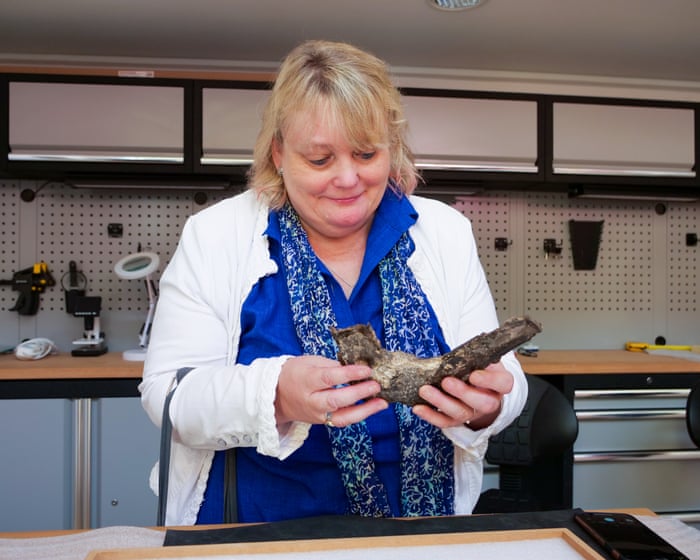
Scientists say they have found fossilised red blood cells in a 115‑million‑year‑old dinosaur bone
Scientists say they have found fossilised red blood cells in a 115‑million‑year‑old dinosaur bone.

University of Cambridge scientist among those who died in Spanish train crash
Marta Shahbazi was an "inspiring, talented and passionate scientist", says the laboratory where she worked.

Cambridge developmental biologist dies in Spanish train crash
The Guardian reported that Dr Marta Shahbazi, an affiliate associate professor at the Cambridge Stem Cell Institute and a group leader at the…