NASA's Swift telescope set to burn up on uncontrolled re‑entry
The Guardian reported that NASA’s Neil Gehrels Swift Observatory is expected to re‑enter Earth’s atmosphere on Wednesday and burn up.
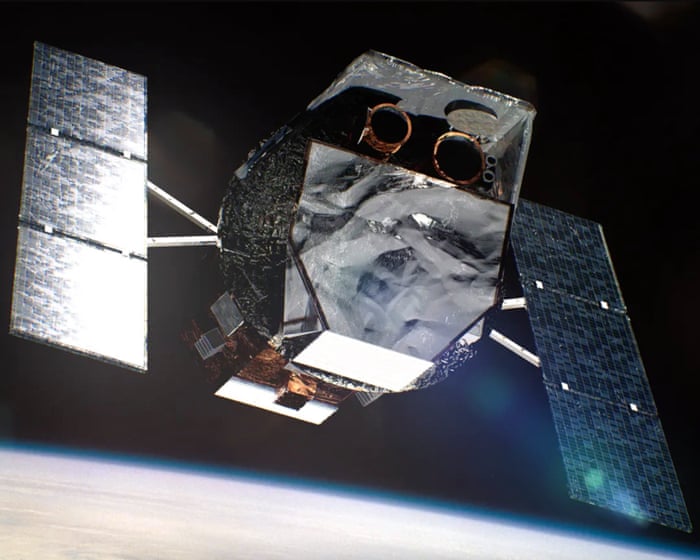
The Guardian reported that NASA’s Neil Gehrels Swift Observatory is expected to re‑enter Earth’s atmosphere on Wednesday and burn up. Launched in 2004, the satellite has spent two decades observing the most powerful explosions in the cosmos. It was built with three telescopes and was only meant to operate for two years. The observatory can no longer steer or conduct observations, and its descent will be uncontrolled.
Officials said the spacecraft will disintegrate as it encounters the atmosphere, ending its long‑standing scientific mission.
Why it matters
The re‑entry marks the conclusion of a mission that provided two decades of data on cosmic explosions.
Key details
- Location
- United Kingdom · Europe
- Reported by
- The Guardian
- First reported
- Key names
- Earth, Neil Gehrels Swift Observatory, Nasa’s Neil Gehrels Swift, Observatory
- Section
- Science
Sources
This is an independent summary. Read the full, original reporting from the publisher:
Read the full story at The GuardianSpotted an error? Request a correction · How this summary was produced
Related Stories
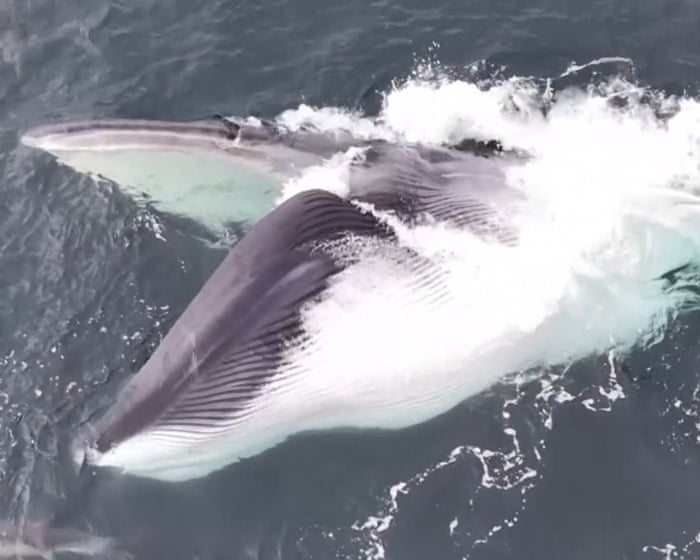
Whale in Wales: amateur photographer captures stunning footage - video
Amateur wildlife photographer Rhys Morgan has caught extraordinary footage of one of the largest whale species on Earth.
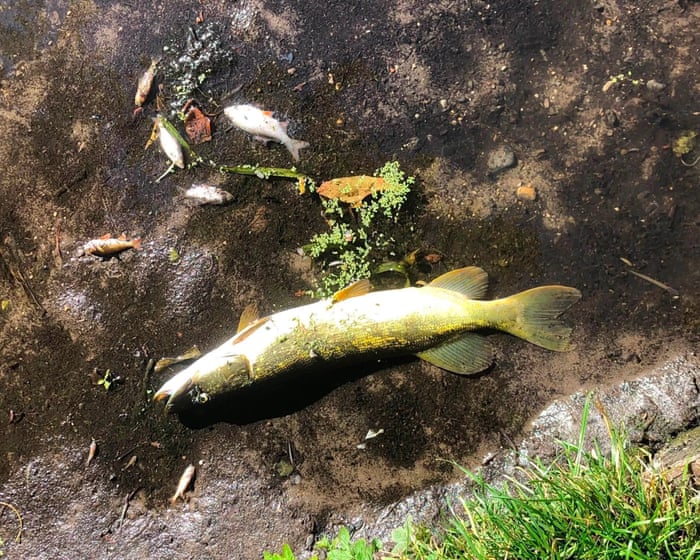
Can countries deliver on a deal to save the world’s plants and animals?
In August, more than 3,000 pike, roach, carp and rudd were found lifeless along the River Wensum in Norwich.
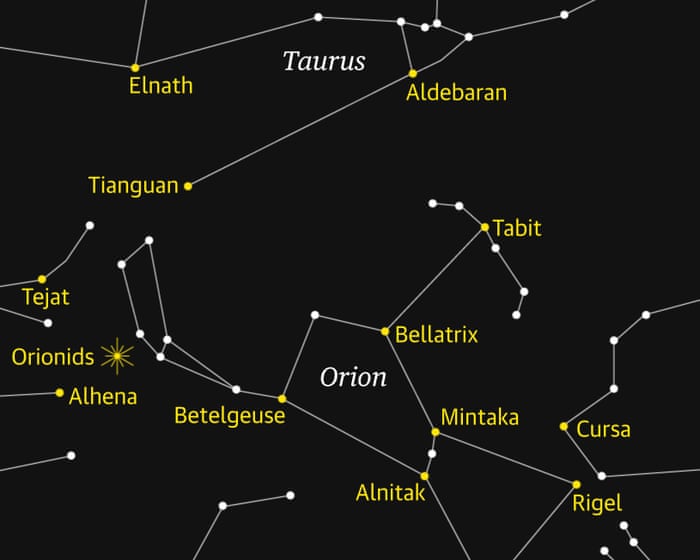
Starwatch: Catch the Orionid meteor shower streak across the night sky
As Earth passes through dust left by Halley’s comet, observers may see 10-20 fragments per hour The annual Orionid meteor shower reaches its peak…
Cop17 at a glance: everything you need to know about the UN’s nature summit
This month’s biodiversity summit in Yerevan, Armenia, aims to push governments to meet the 23 targets agreed at Cop15 in 2022 This month, nearly…
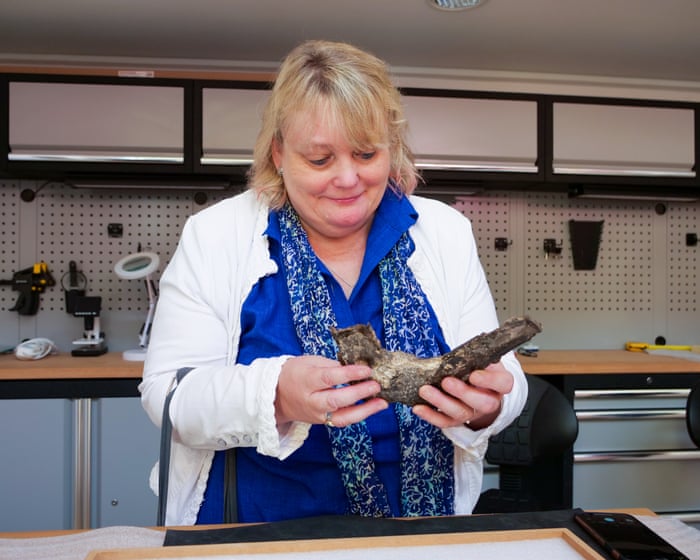
Scientists say they have found fossilised red blood cells in a 115‑million‑year‑old dinosaur bone
Scientists say they have found fossilised red blood cells in a 115‑million‑year‑old dinosaur bone.

University of Cambridge scientist among those who died in Spanish train crash
Marta Shahbazi was an "inspiring, talented and passionate scientist", says the laboratory where she worked.

Cambridge developmental biologist dies in Spanish train crash
The Guardian reported that Dr Marta Shahbazi, an affiliate associate professor at the Cambridge Stem Cell Institute and a group leader at the…

'Fascinating' rare beetle found in Wales again after 60 years
It was feared The Short-Necked Oil Beetle had become extinct in Wales after recent surveys.