NASA to Help Unlock Mysteries of Mars’ Moons in Upcoming Mission
NASA is playing an important role in JAXA’s (Japan Aerospace Exploration Agency) MMX (Martian Moons eXploration) mission, to advance our understanding of…
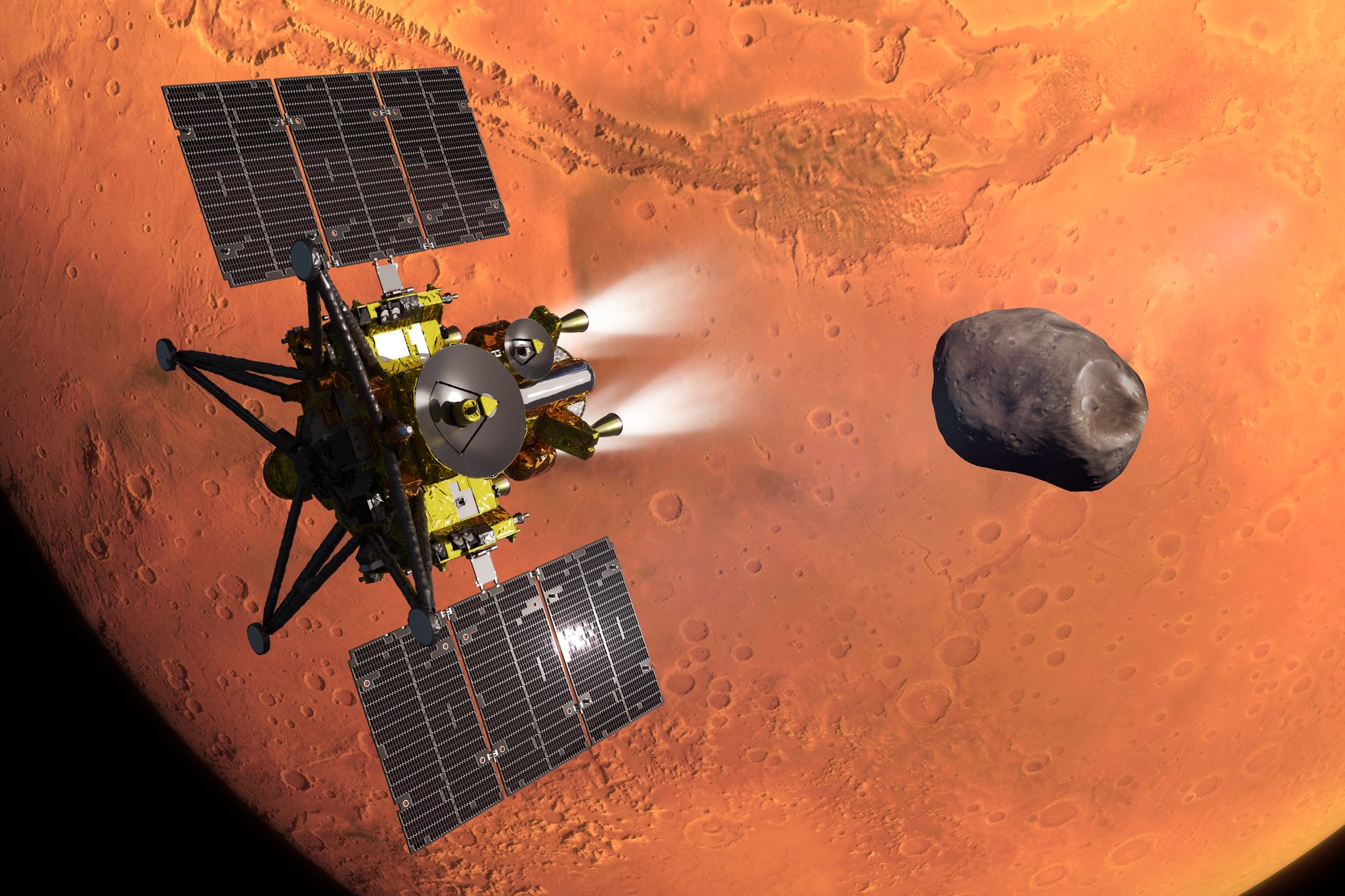
NASA reports: NASA is playing an important role in JAXA’s (Japan Aerospace Exploration Agency) MMX (Martian Moons eXploration) mission, to advance our understanding of Mars’ moons and build on the agency’s long history of exploring the Red Planet.
The mission aims to characterize and determine the origin of Mars’ moons Phobos and Deimos and deliver a sample.
This science story centres on Japan. Names and organisations mentioned in the coverage include Help Unlock Mysteries of Mars’, Upcoming Mission and Mars’.
Why it matters
Scientific work like this adds to what we know and can inform future research, policy and technology.
Key details
- Location
- Japan · Asia
- Reported by
- NASA
- First reported
- Key names
- Help Unlock Mysteries of Mars’, Upcoming Mission, Mars’, JAXA
- Section
- Science
Sources
This is an independent summary. Read the full, original reporting from the publisher:
Read the full story at NASASpotted an error? Request a correction · How this summary was produced
Related Stories
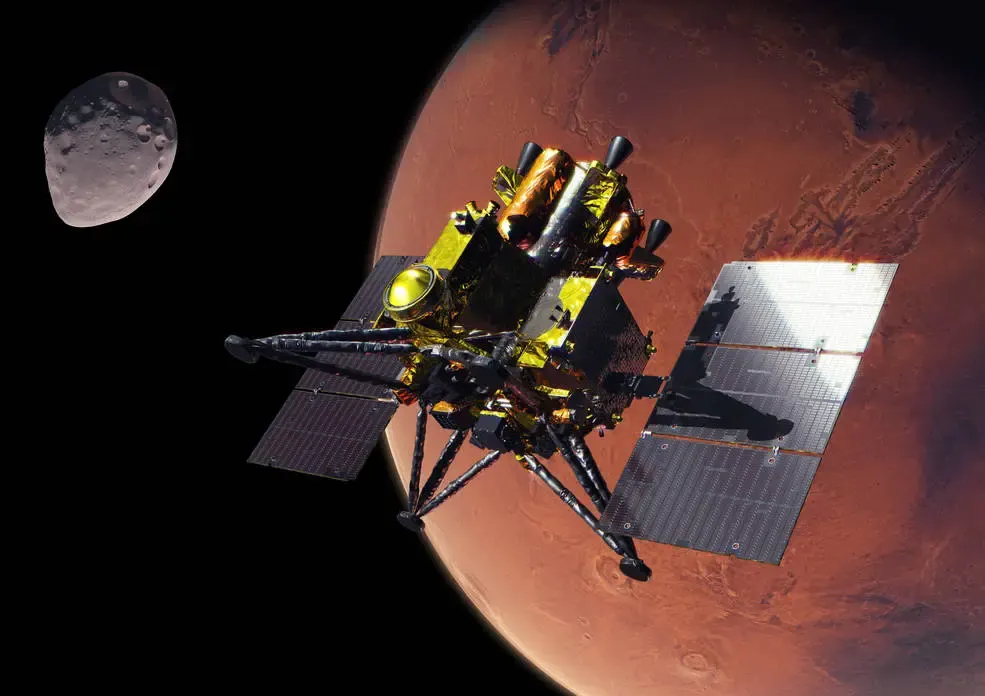
NASA Briefing to Highlight Contributions to Martian Moons Mission
Media are invited to join NASA for a media teleconference at 4 p.m. EDT, Thursday, Oct. 15, to preview the agency’s contributions to JAXA’s (Japan…

Robots dance the ‘Macarena’ at Japan tech expo
Humanoid robots were seen performing the “Macarena” at the annual CEATEC technology exhibition in Chiba, Japan.

Academy CEO Bill Kramer to Head to Tokyo for Leadership Award and Onstage Summit With Toho Boss Matsuoka Hiro
Academy CEO Bill Kramer is set to make his first trip to Asia later this month.

Microsoft and Japan took down a cybercrime network behind over a billion scam messages
Through an investigation with Japan's National Police Agency, it tracked scam activity back to.

What did the Liberty Bell sound like? Science is on the case
The Liberty Bell, with its famous crack, hasn't been rung in 180 years, but that hasn't stopped scientists from pondering what the bell might have…

Microplastics in water aren’t inert and make damaging chemicals on their own
“Whether microplastics can directly cause human disease is still being researched,” said Wei Min, a chemist at Columbia University.

NASA Satellites Observe Historic 2026 El Niño
El Niño is a natural climate pattern that emerges roughly every two to seven years marked by warmer-than-normal water temperatures in parts of the…
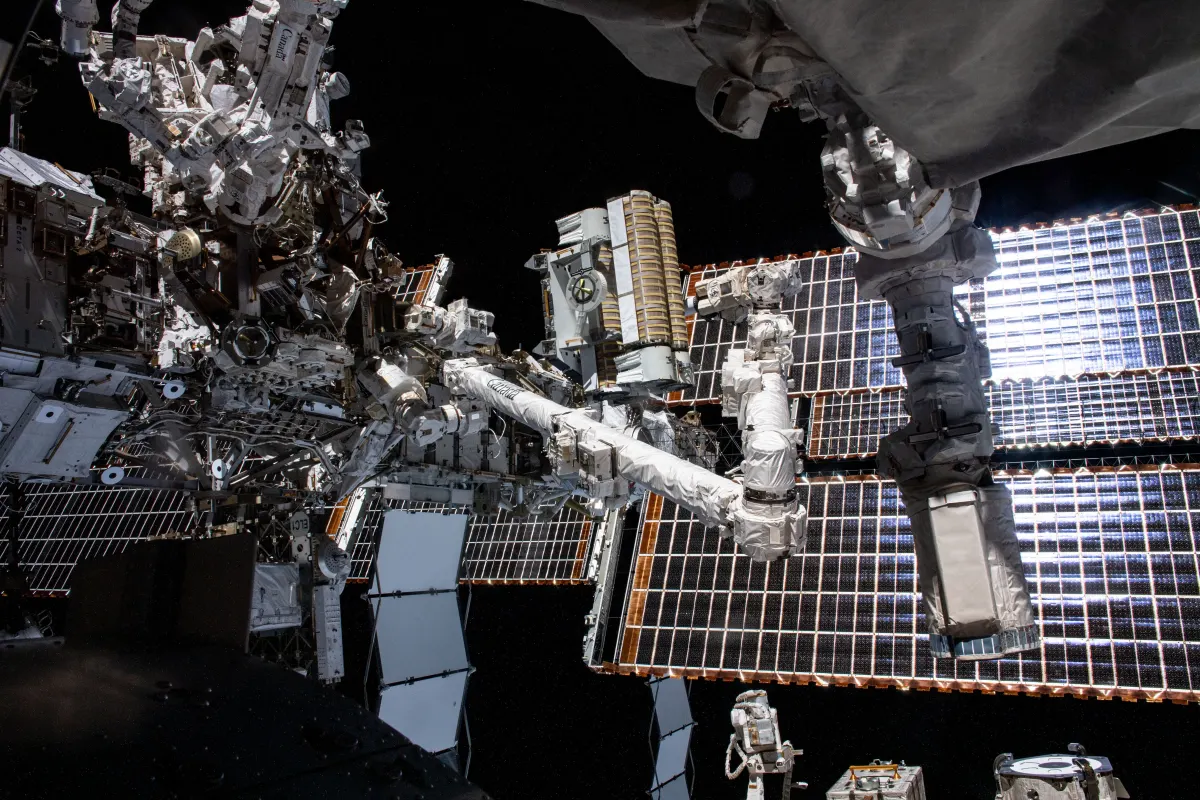
Power Up: Roll Out Solar Arrays Boost Space Station Power Supply
From the International Space Station’s unique position 250 miles above Earth, the Sun is a vital source of energy.