Neanderthal remains may be earliest human ancestor find killed by a spear
Archaeologists spotted the distinctive injury after excavating skeletal remains of the adult and other Neanderthals from under nearly 8 metres of rock and…
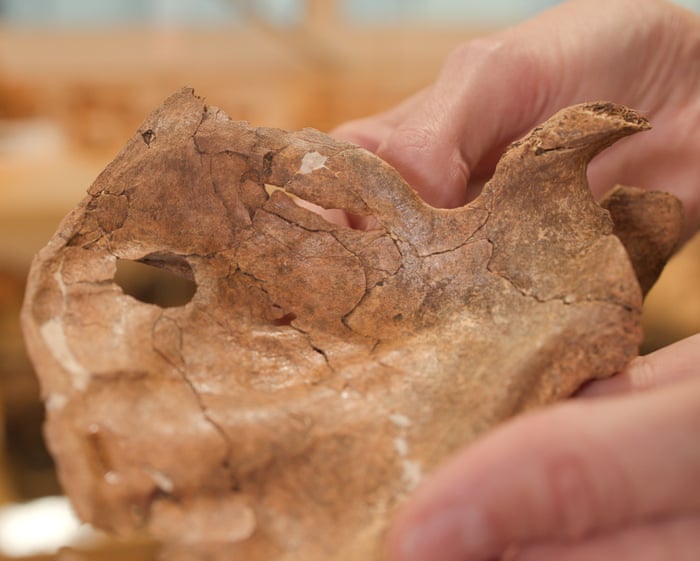
The Guardian reports: Archaeologists spotted the distinctive injury after excavating skeletal remains of the adult and other Neanderthals from under nearly 8 metres of rock and sediment in the Shanidar cave in Iraqi Kurdistan.
This science story centres on Iraq. Names and organisations mentioned in the coverage include Iraqi Kurdistan, Neanderthal and Neanderthals.
Why it matters
Research developments are often early steps — further studies typically determine how significant they prove to be.
Key details
- Location
- Iraq · Middle East
- Reported by
- The Guardian
- First reported
- Key names
- Iraqi Kurdistan, Neanderthal, Neanderthals, Shanidar
- Section
- Science
Sources
This is an independent summary. Read the full, original reporting from the publisher:
Read the full story at The GuardianSpotted an error? Request a correction · How this summary was produced
Related Stories

Neanderthals capable of both violence and care, bones from Iraqi cave suggest
Neanderthals were not the unintelligent cave dwellers of popular imagination, but may have been capable of showing both violence and care…

Was Neanderthal life violent? This wound suggests lethal fighting was more common
A 75,000-year-old Neanderthal spear wound may be evidence violence shaped human life far earlier than thought.

Iraq devalues dinar to ease cash crunch, leaving traders in limbo
The government hopes a weaker dinar will help pay salaries, but traders face rising import costs and uncertainty.

Iraq’s PM tells Saudi crown prince Iraqi territory will not be used for attacks
Saudi Arabia's East-West oil pipeline was struck by drones last month in an attack that originated in Iraq.

NASA to Help Unlock Mysteries of Mars’ Moons in Upcoming Mission
NASA is playing an important role in JAXA’s (Japan Aerospace Exploration Agency) MMX (Martian Moons eXploration) mission, to advance our…

What did the Liberty Bell sound like? Science is on the case
The Liberty Bell, with its famous crack, hasn't been rung in 180 years, but that hasn't stopped scientists from pondering what the bell might have…

Microplastics in water aren’t inert and make damaging chemicals on their own
“Whether microplastics can directly cause human disease is still being researched,” said Wei Min, a chemist at Columbia University.

NASA Satellites Observe Historic 2026 El Niño
El Niño is a natural climate pattern that emerges roughly every two to seven years marked by warmer-than-normal water temperatures in parts of the…